Fall 2012
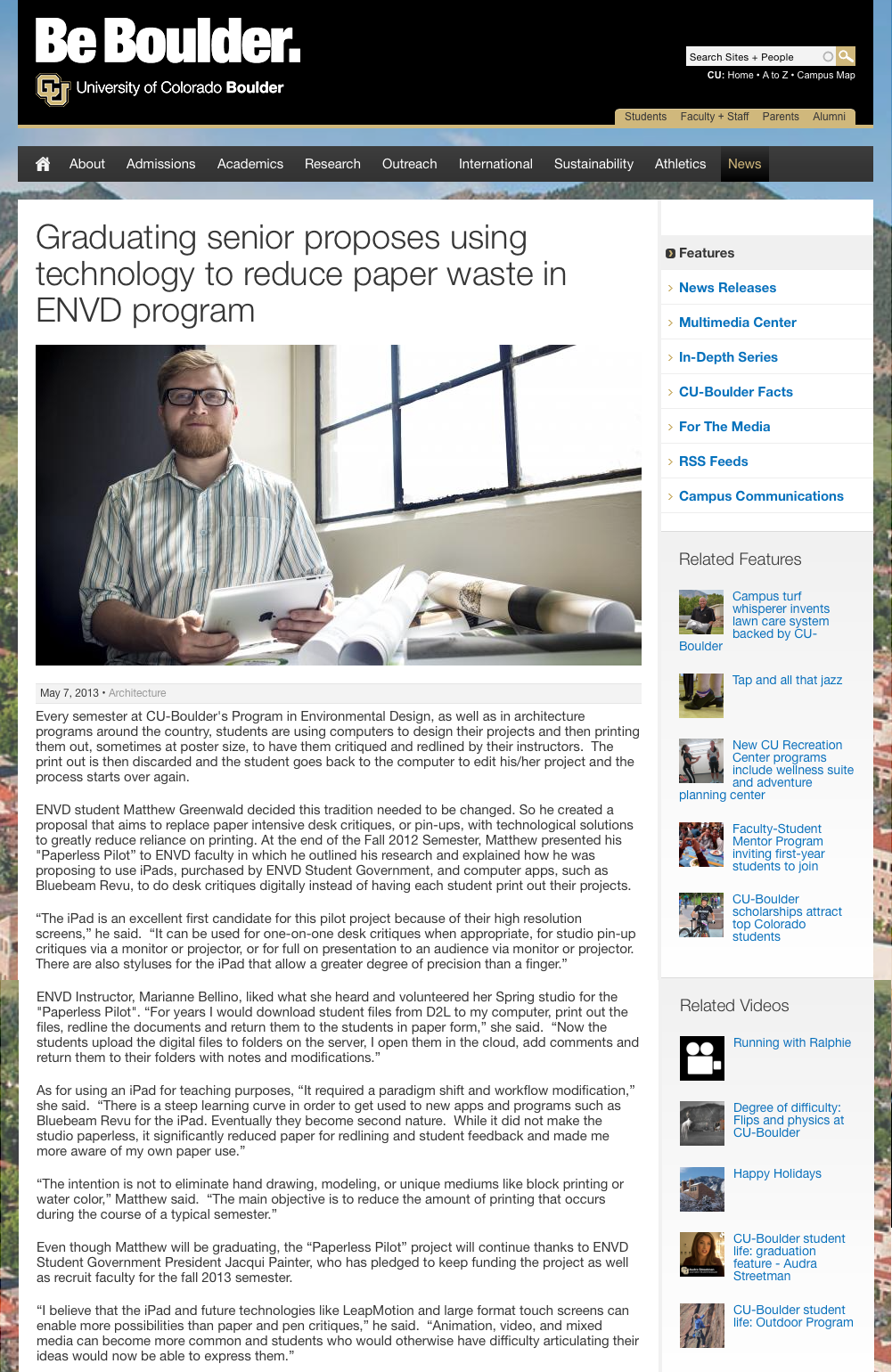
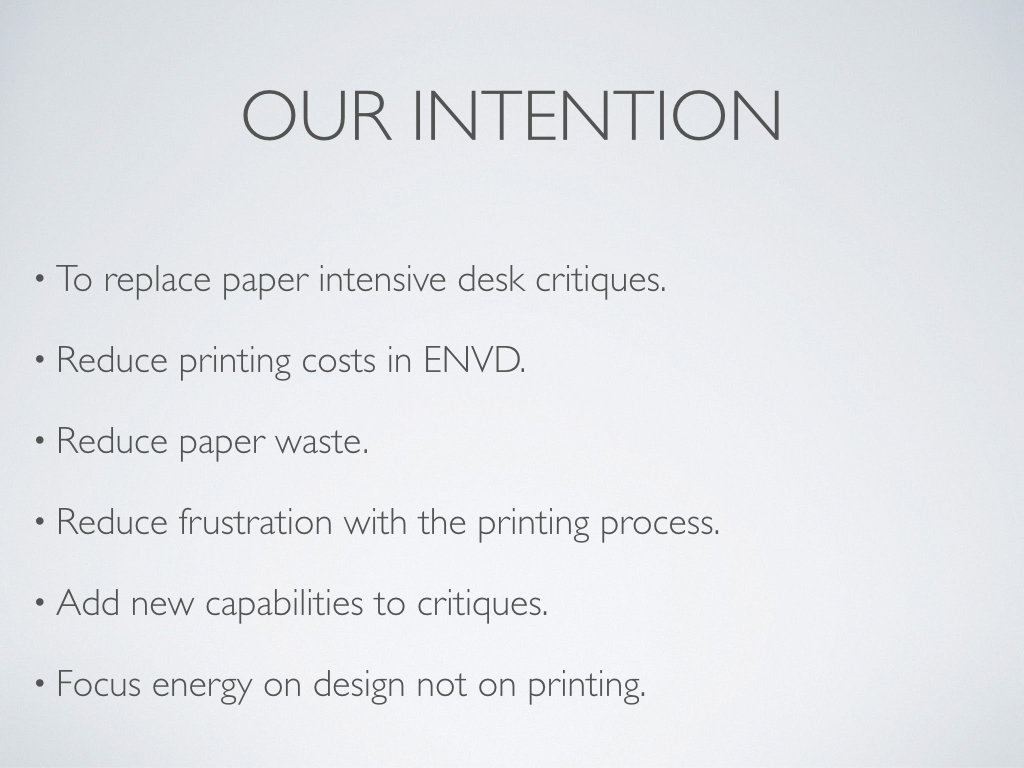
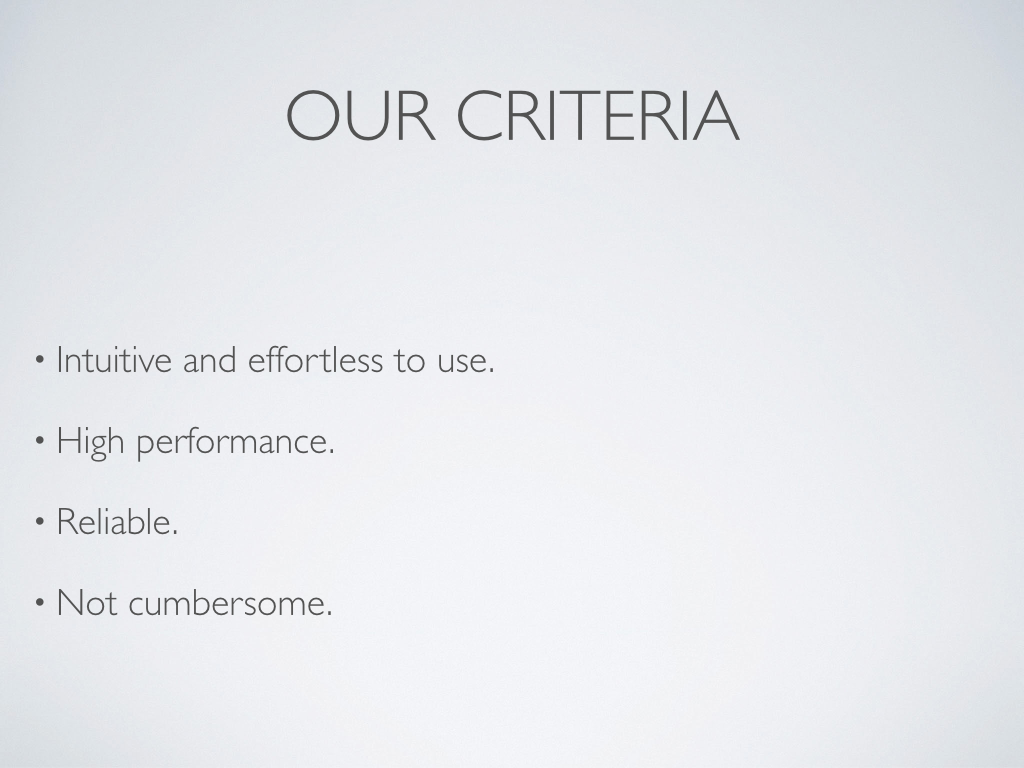
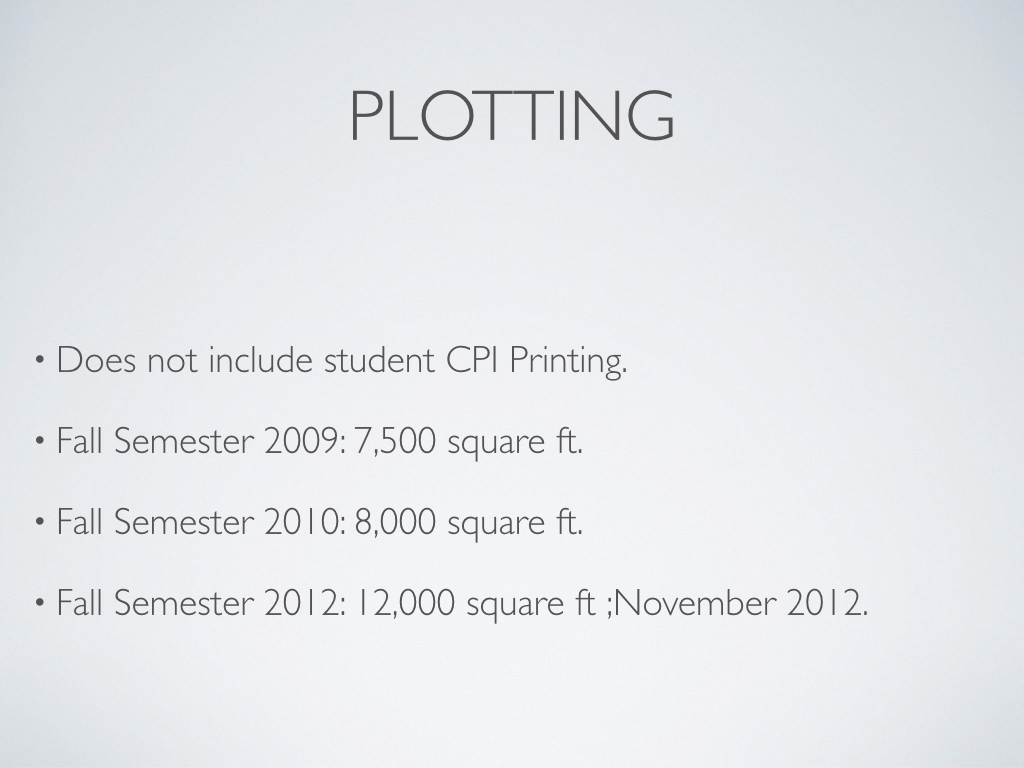
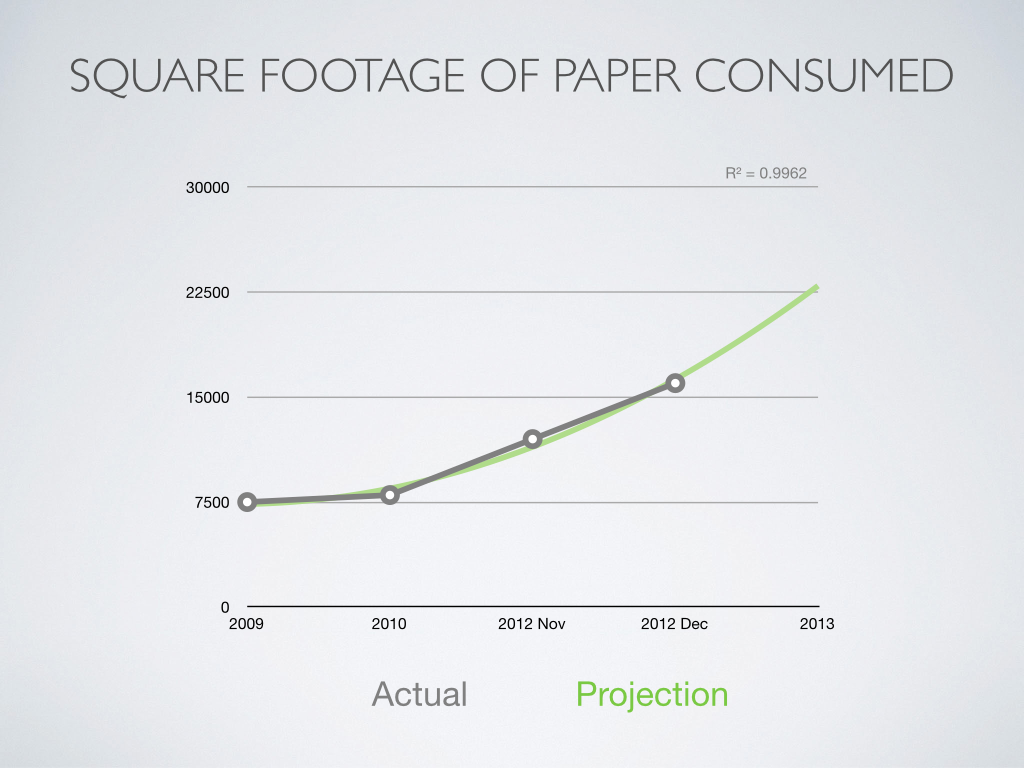
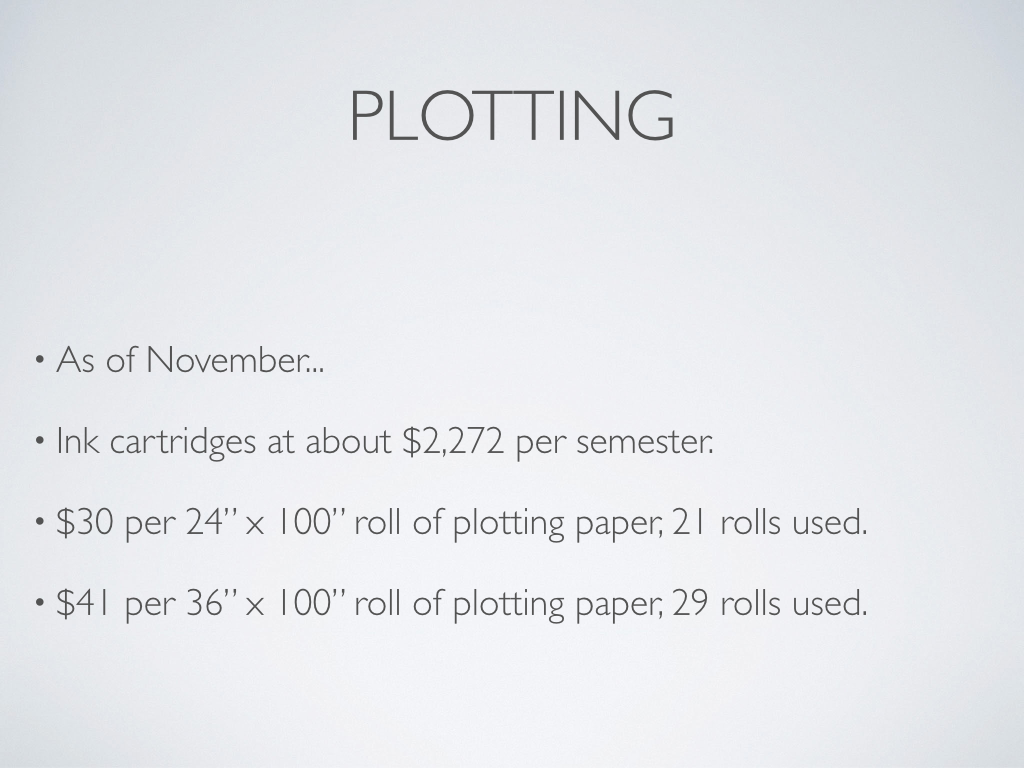
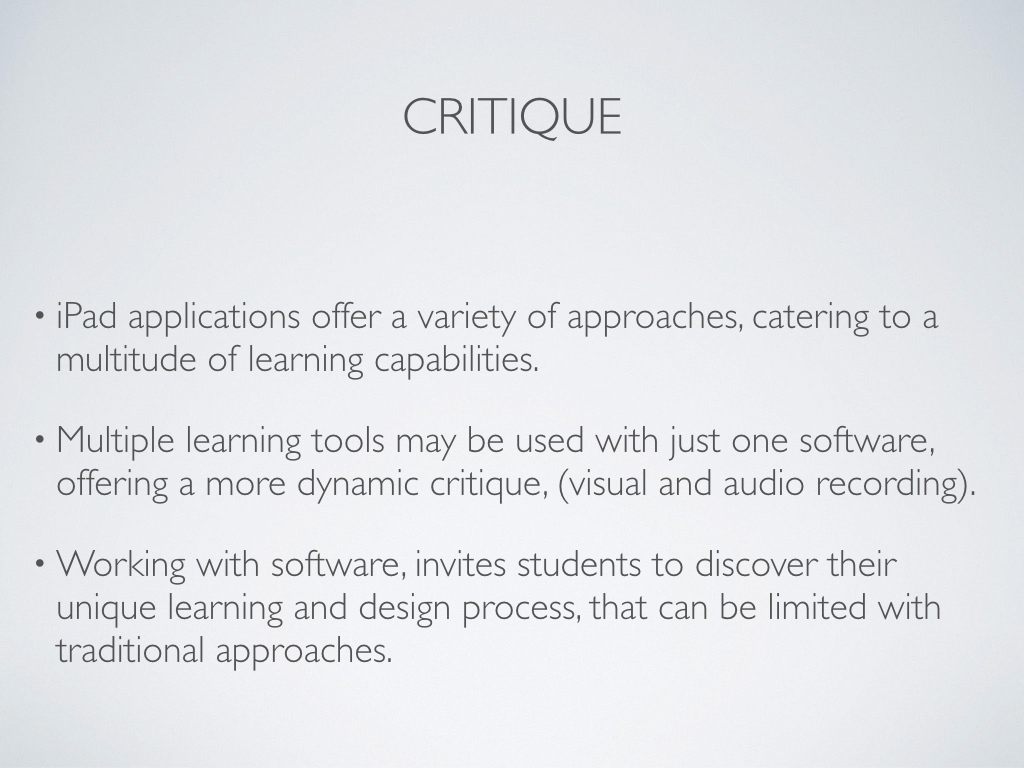
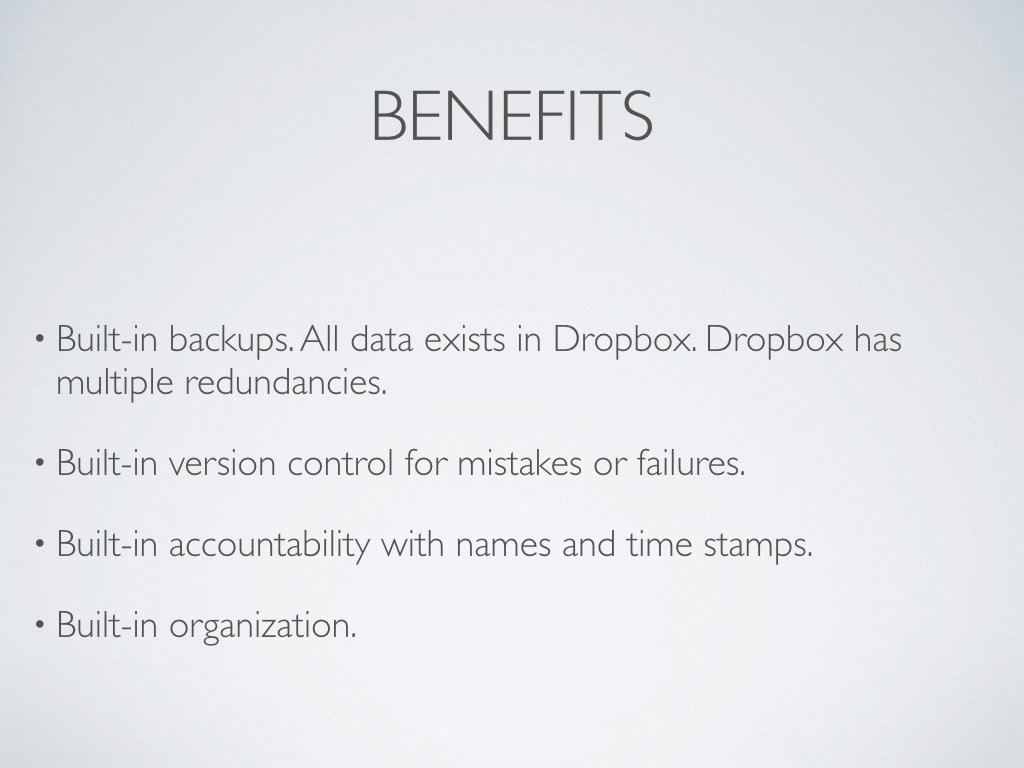
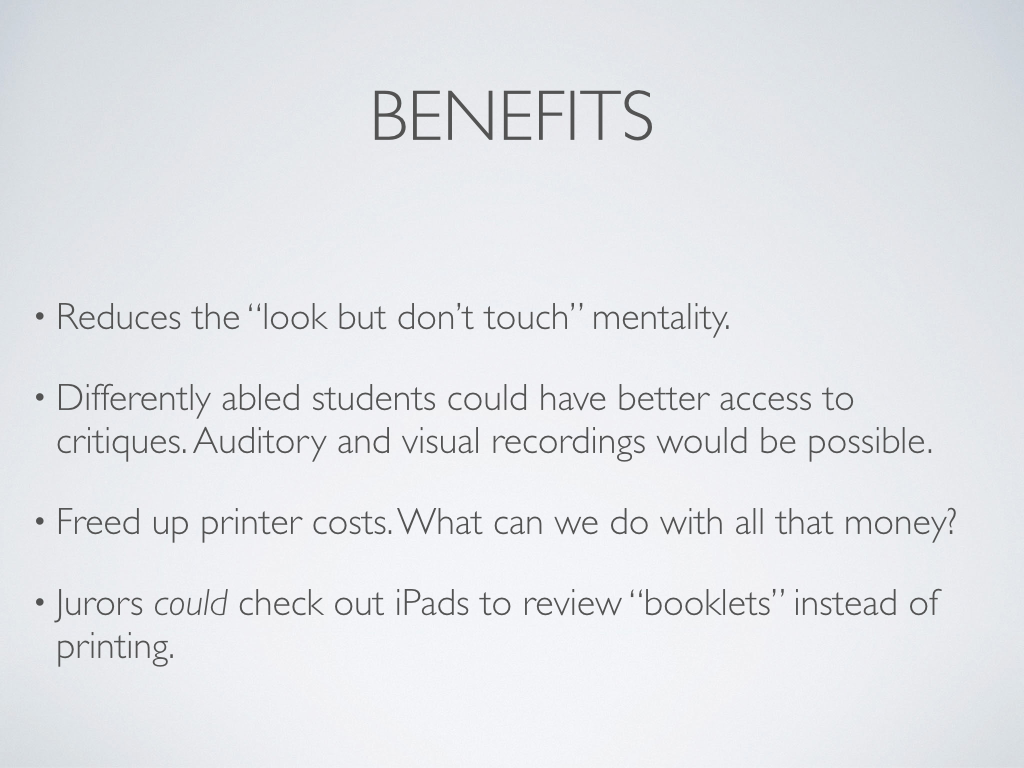
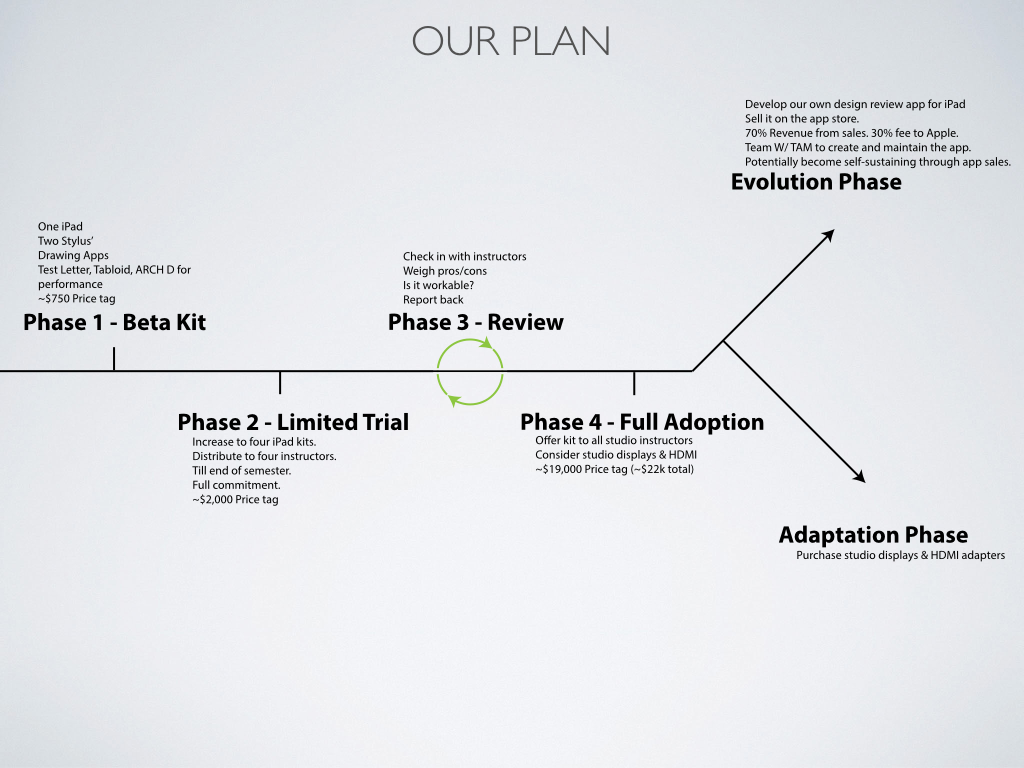
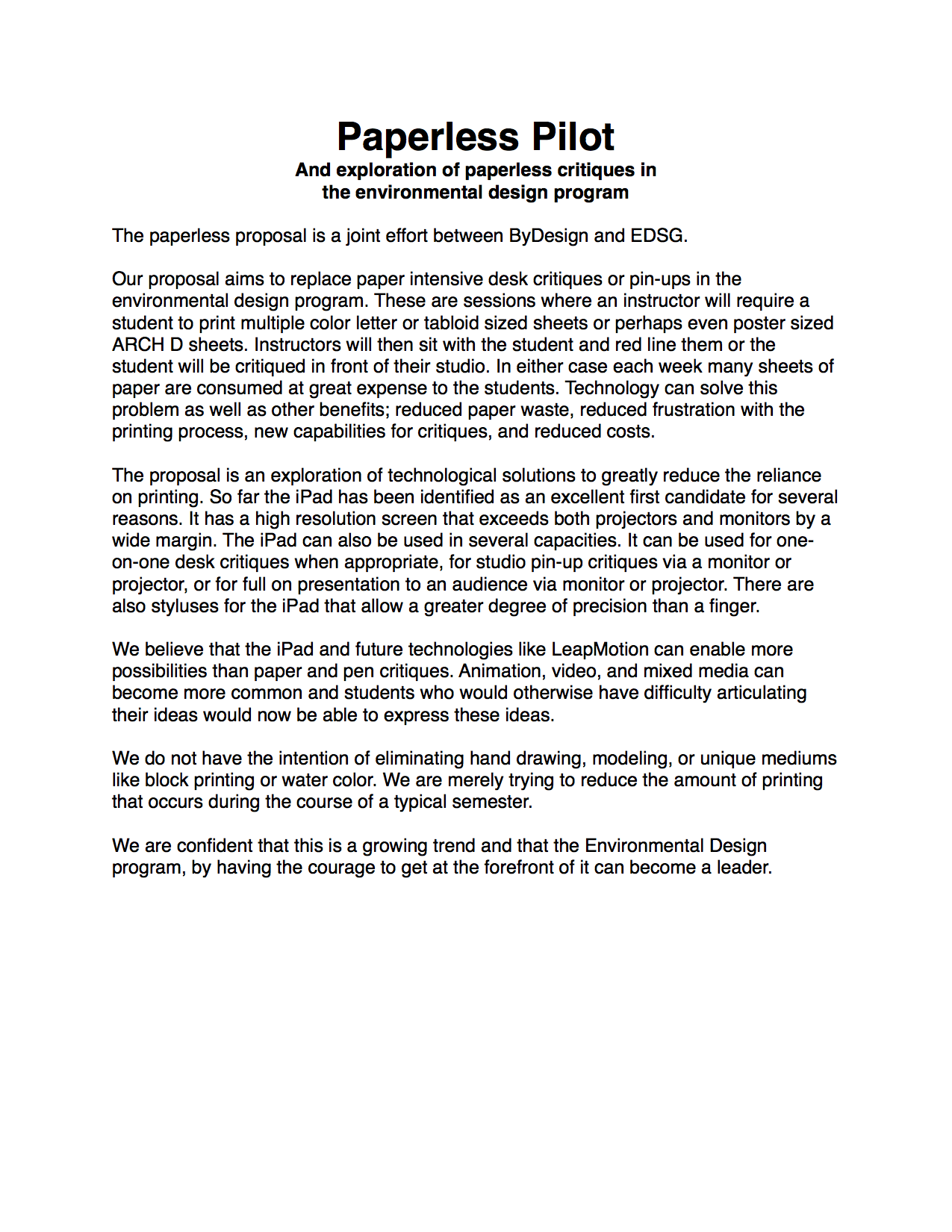
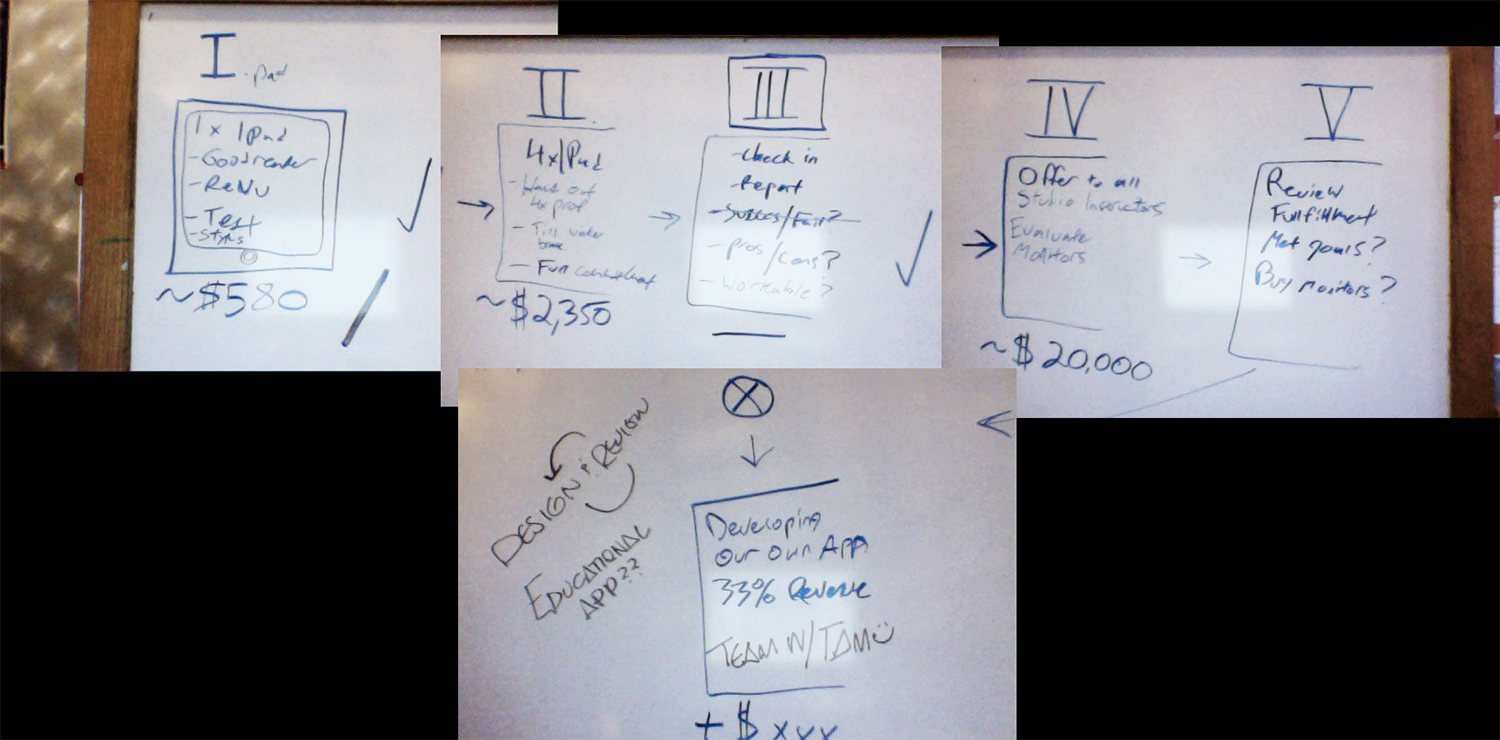
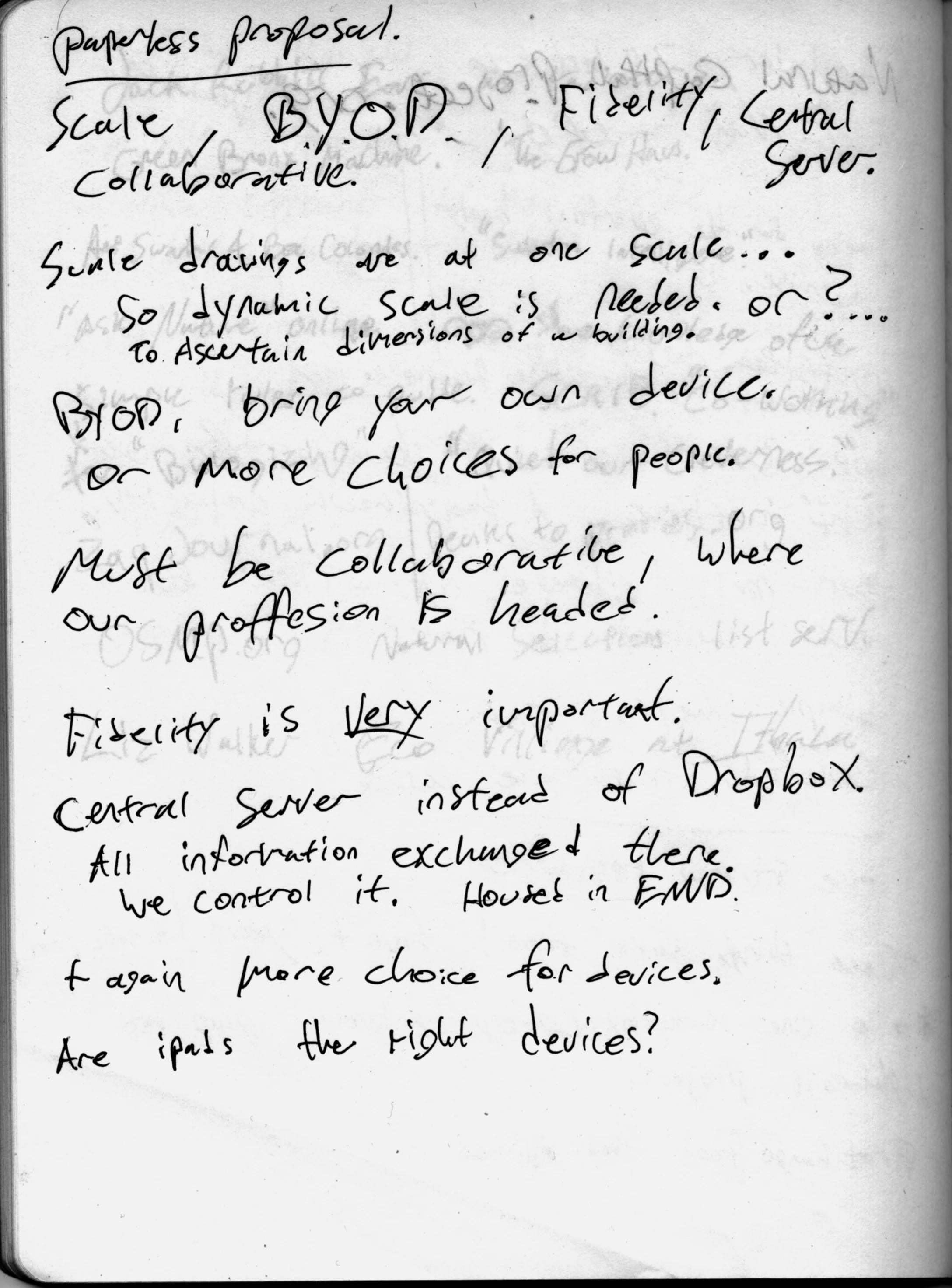
I conceived, worked on, and lead this Proposal with Devon Tomaselli and Jacqui Painter. The proposal aims to replace paper intensive desk critiques or pin-ups in the environmental design program. These are sessions where an instructor will require a student to print multiple color letter or tabloid sized sheets or perhaps even poster sized ARCH D sheets. Instructors will then sit with the student and red line them or the student will be critiqued in front of their studio. In either case each week many sheets of paper are consumed at great expense to the students. Technology can stand in here as well as offer other benefits; reduced paper waste, reduced frustration with the printing process, new capabilities for critiques, and reduced costs.
The project is still a work in progress at CU.
Fall 2012
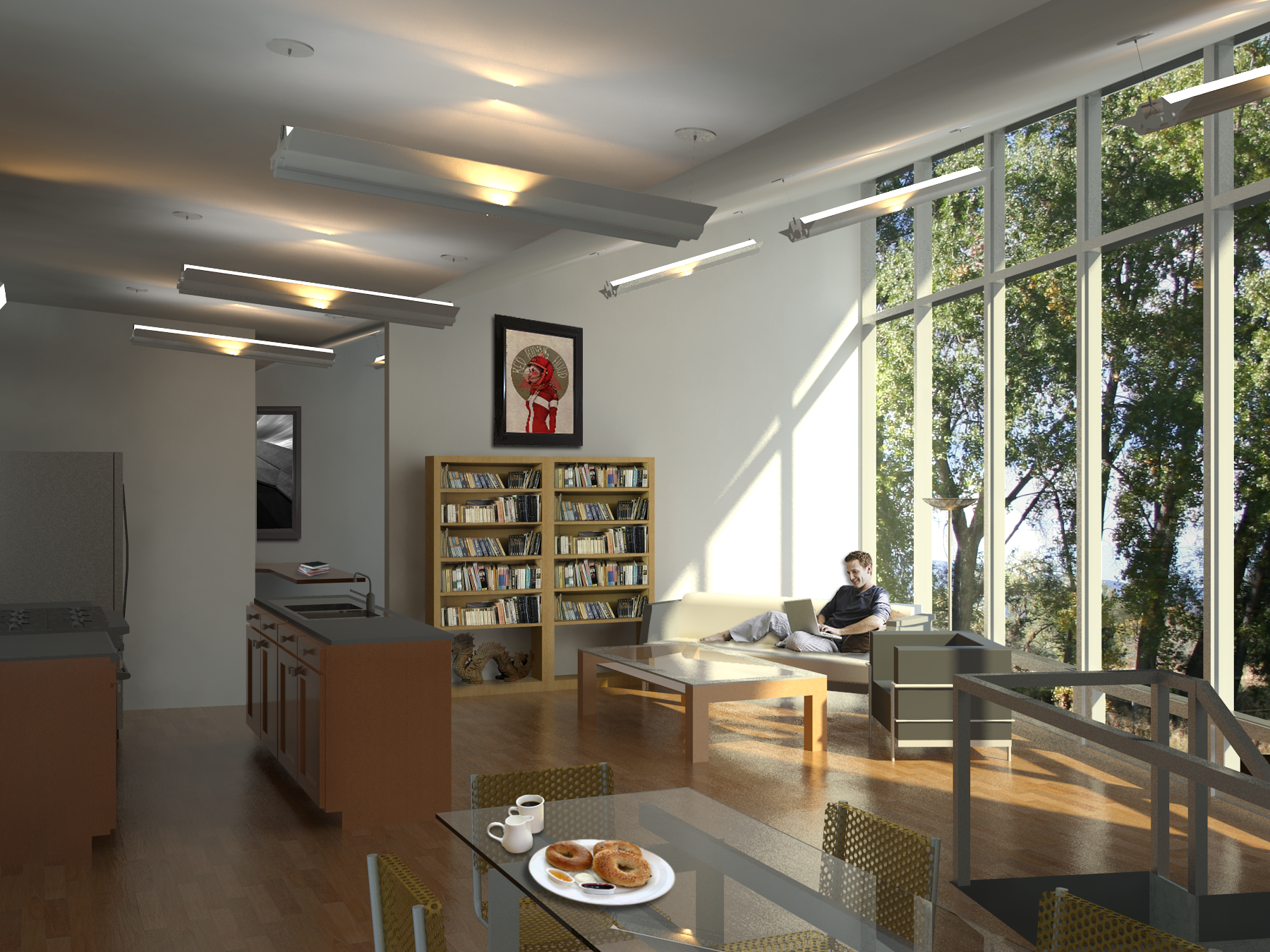
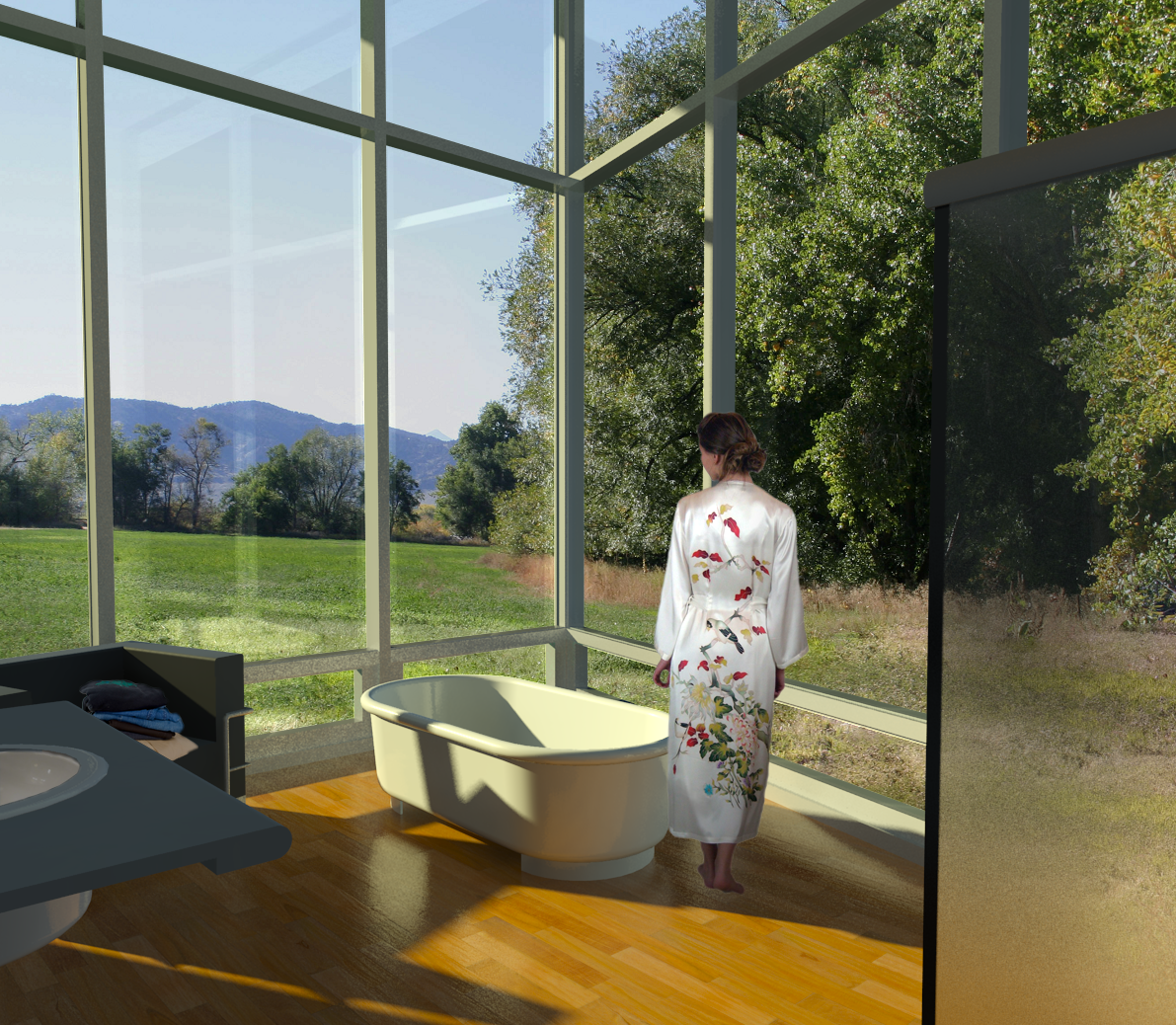
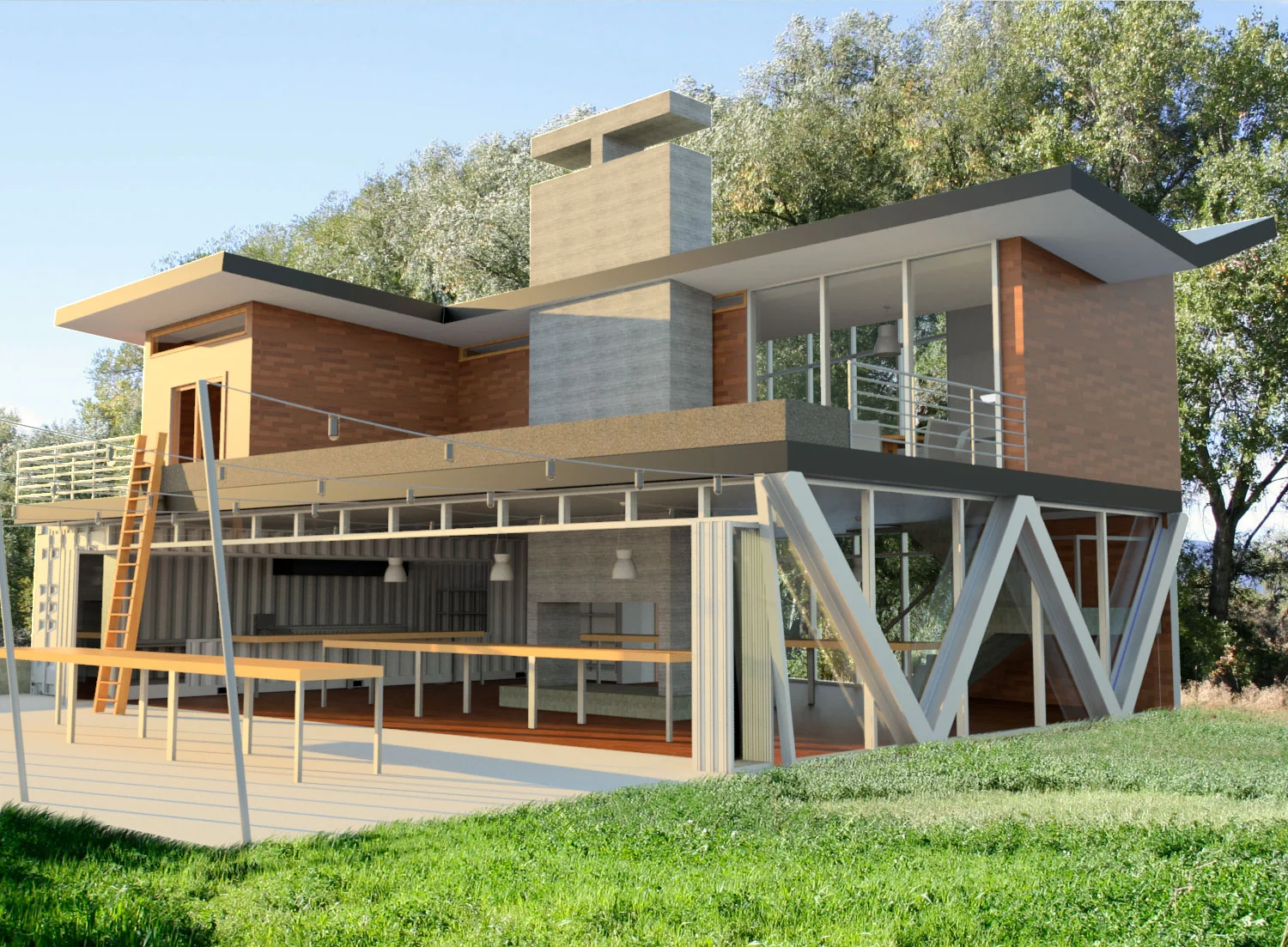
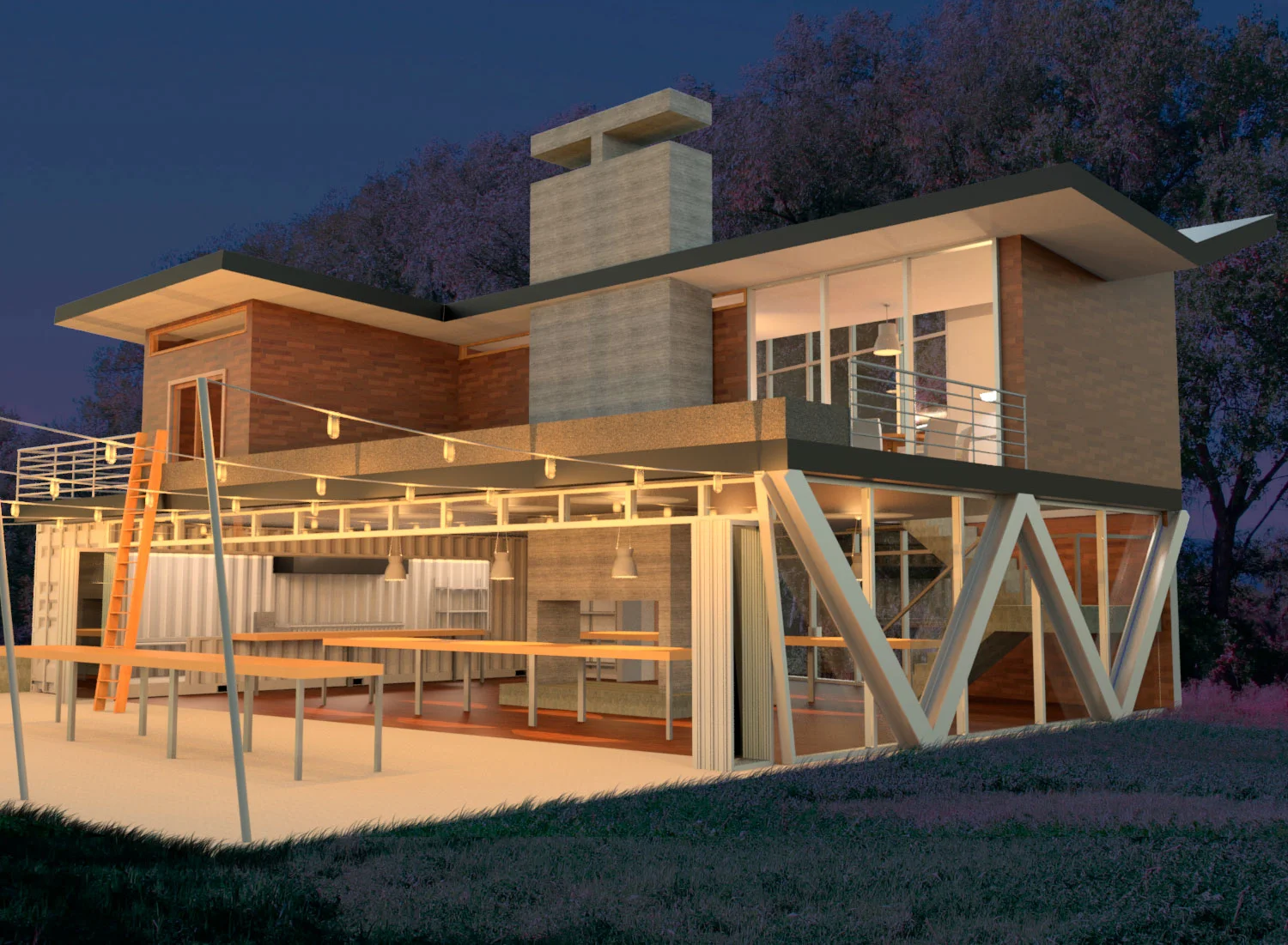
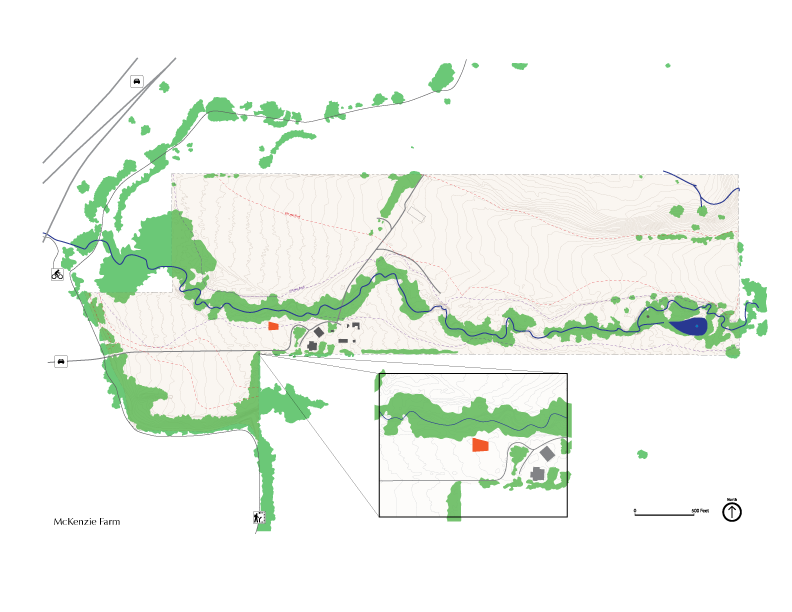
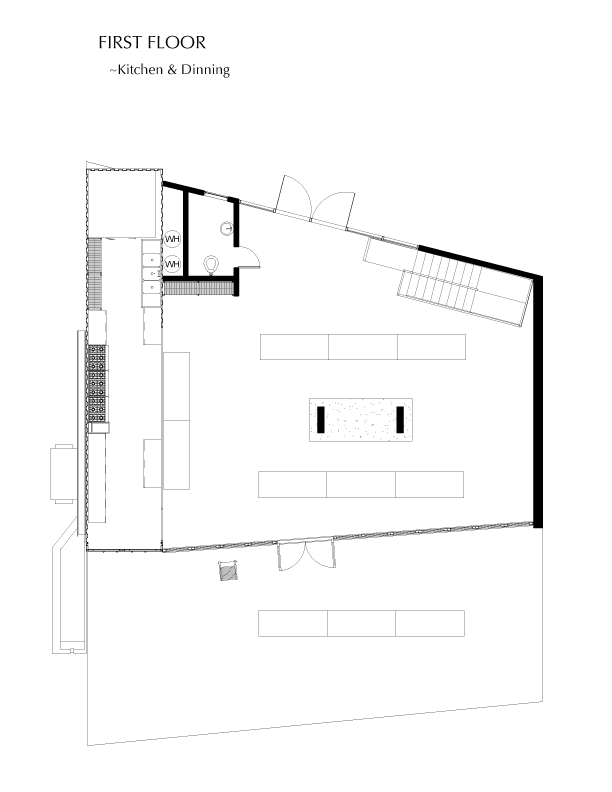
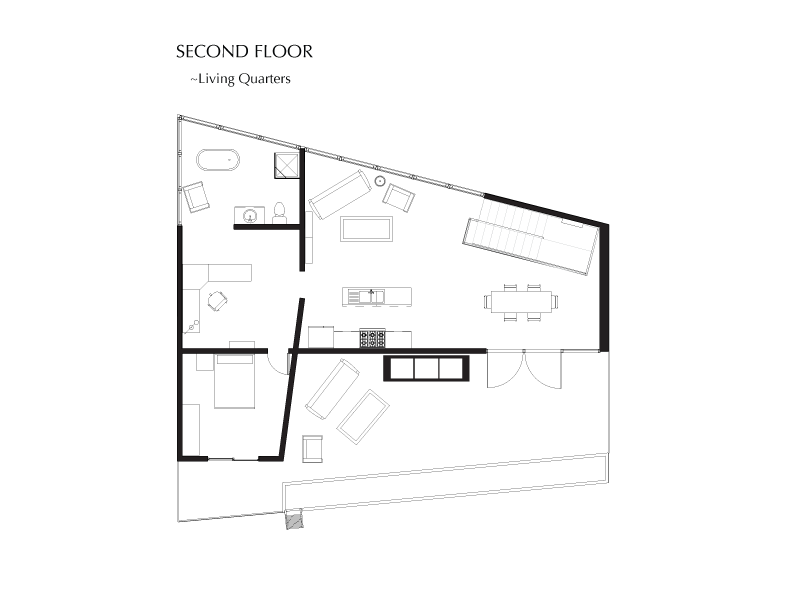
Sup and digs is an exercise in restrained reach, measured performance, and comfort. Allowing the program to stack vertically solves problems of landscape preservation and proper privacy for living spaces—it also creates interesting views and intersections.
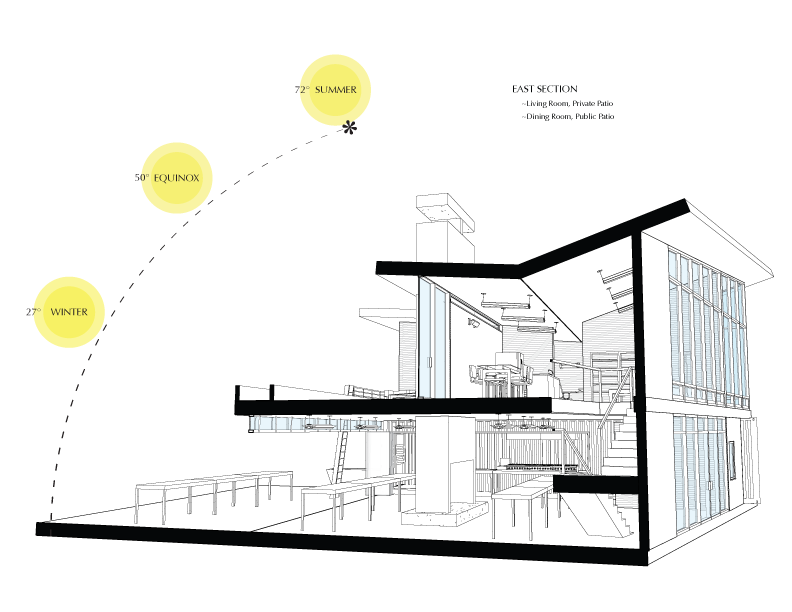
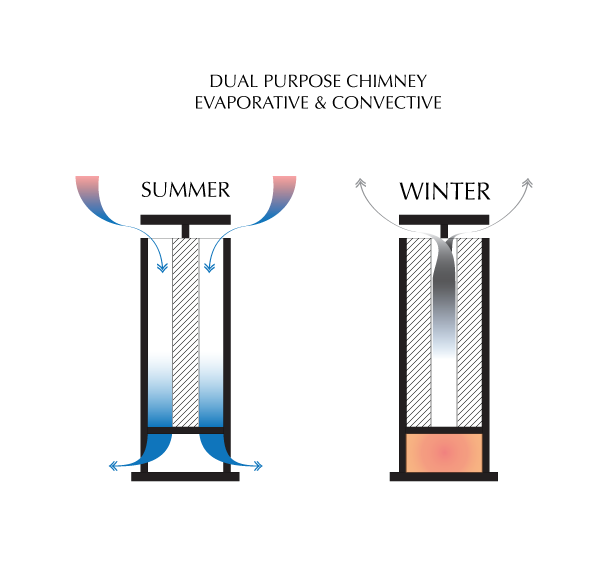
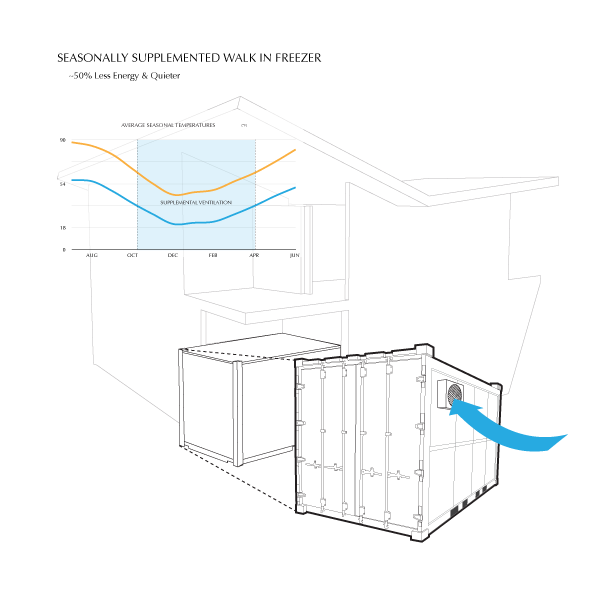
The hearth is the heart of the dinning room, providing both heating and cooling for the space. The kitchen exists in a container to keep it from commanding too much of the program and from sprawling into the dinning area. However a large cut into the container allows for a connection to the dinning area and transparency into the kitchen process. The living quarters are divided into two primary modes, public and private. The public spaces are unified and joined together to allow for an open plan and an inviting, warm space. The private spaces are linked through the semi-public office space.
The living quarters were too large for the second floor, and so the edges were angled outwards to allow for more space without creating more separation. This avoided consuming the patio space out front, and it avoided expansion of the total footprint.
The butterfly roof has an asymmetrical angle to allow for increased solar gain on the north half where the solar thermal panels will be embedded.The south face of the building is shaped by the need for passive solar gain, both in her prominent face and her recessed top floor.
Fall 2011
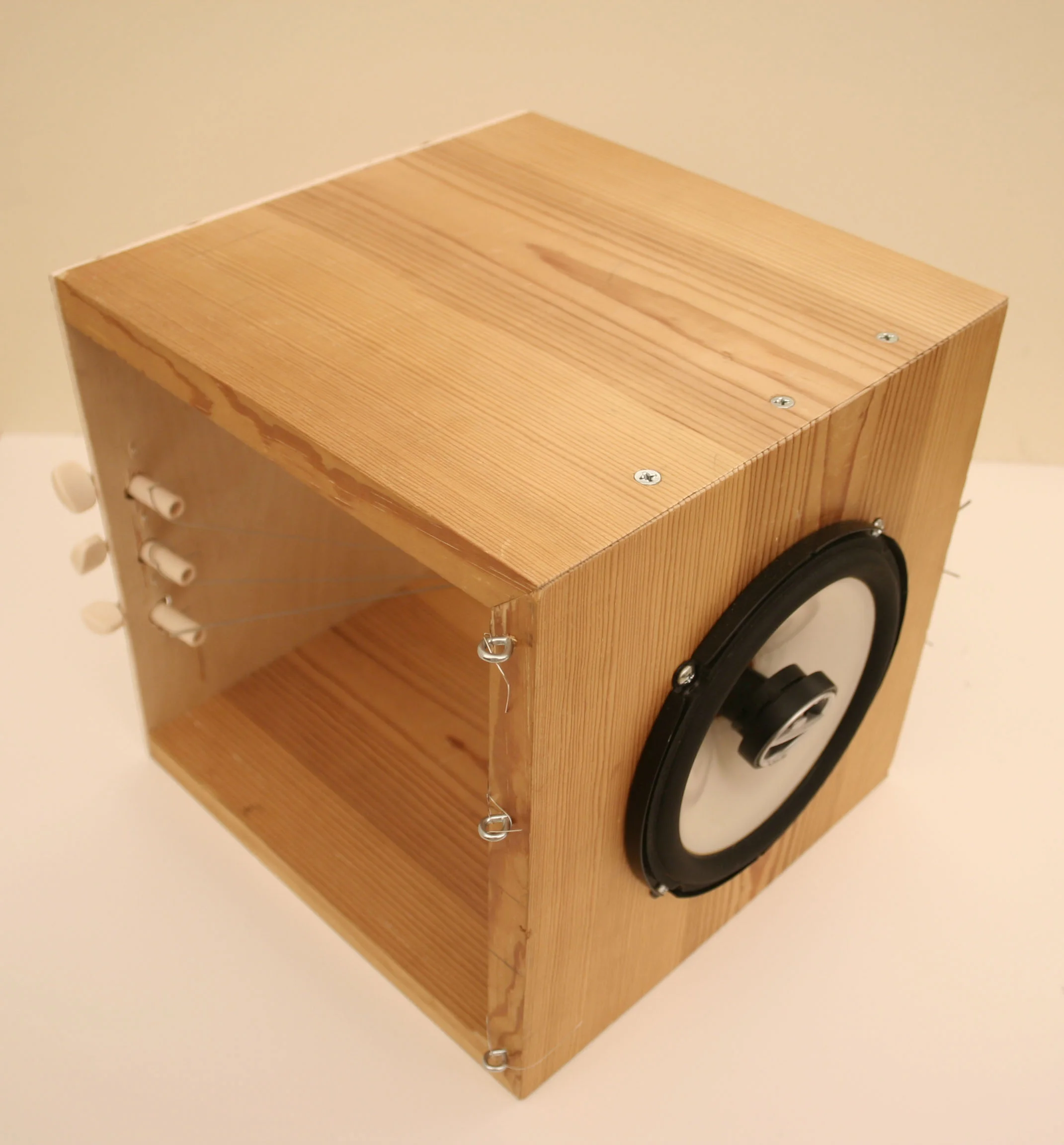
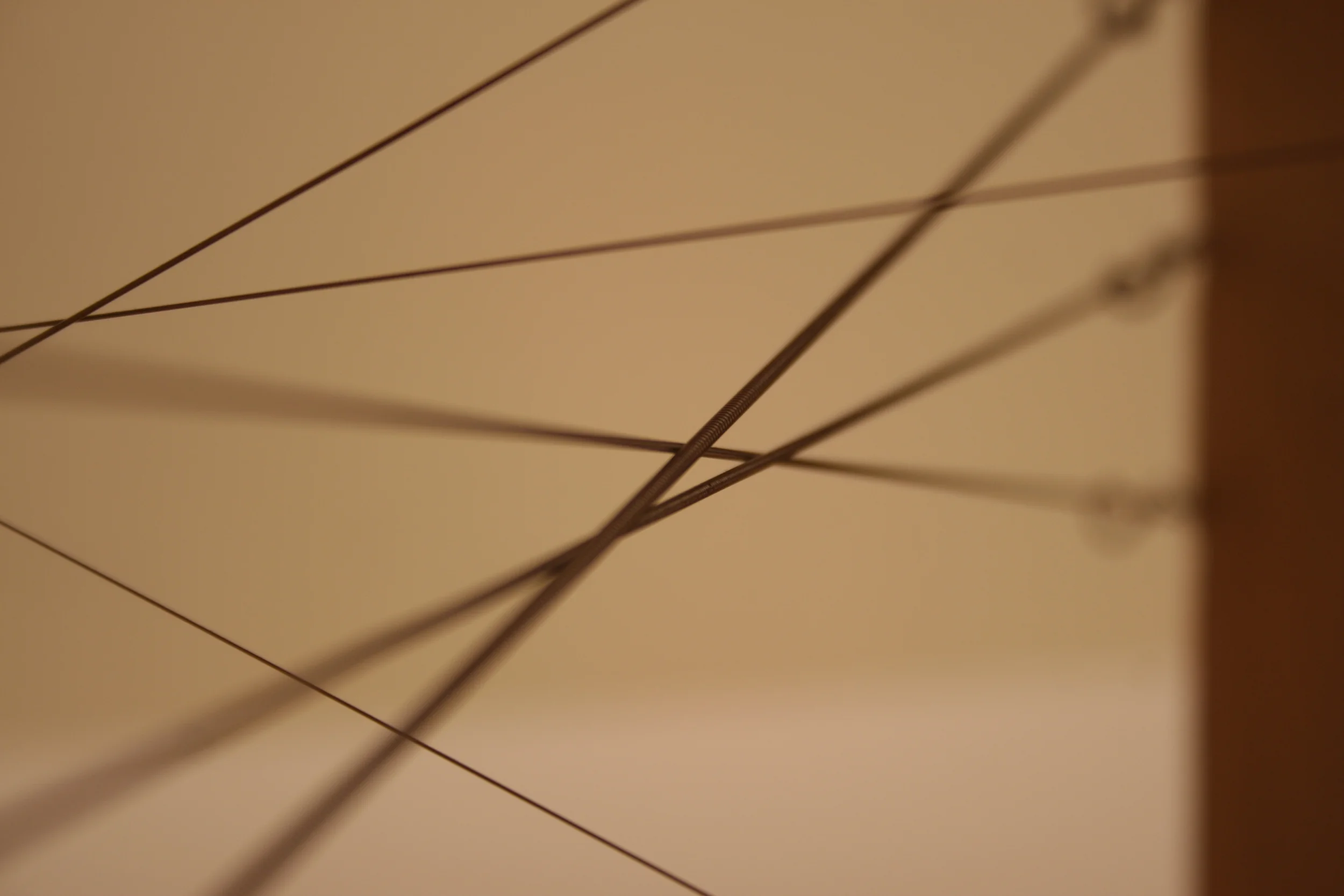
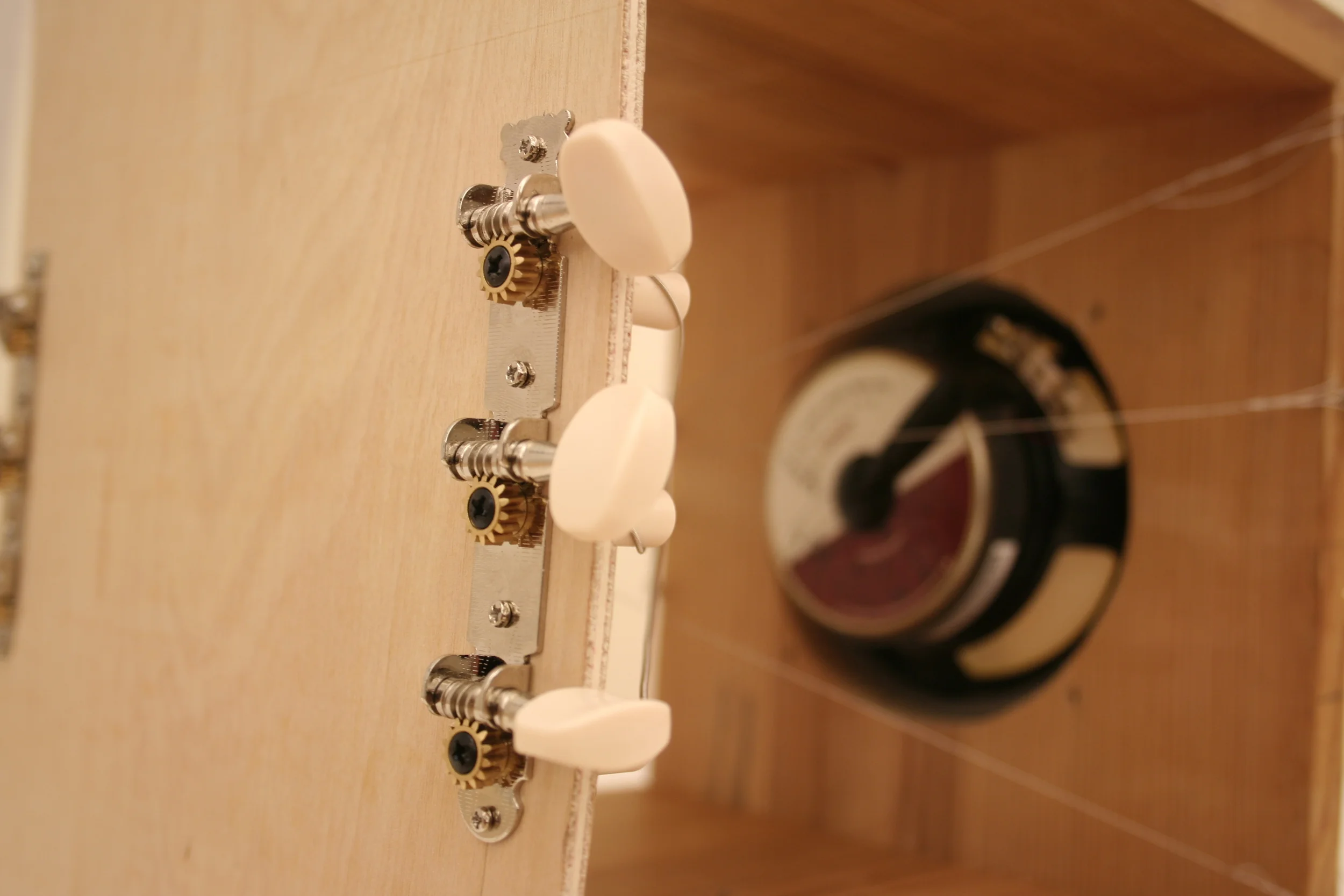
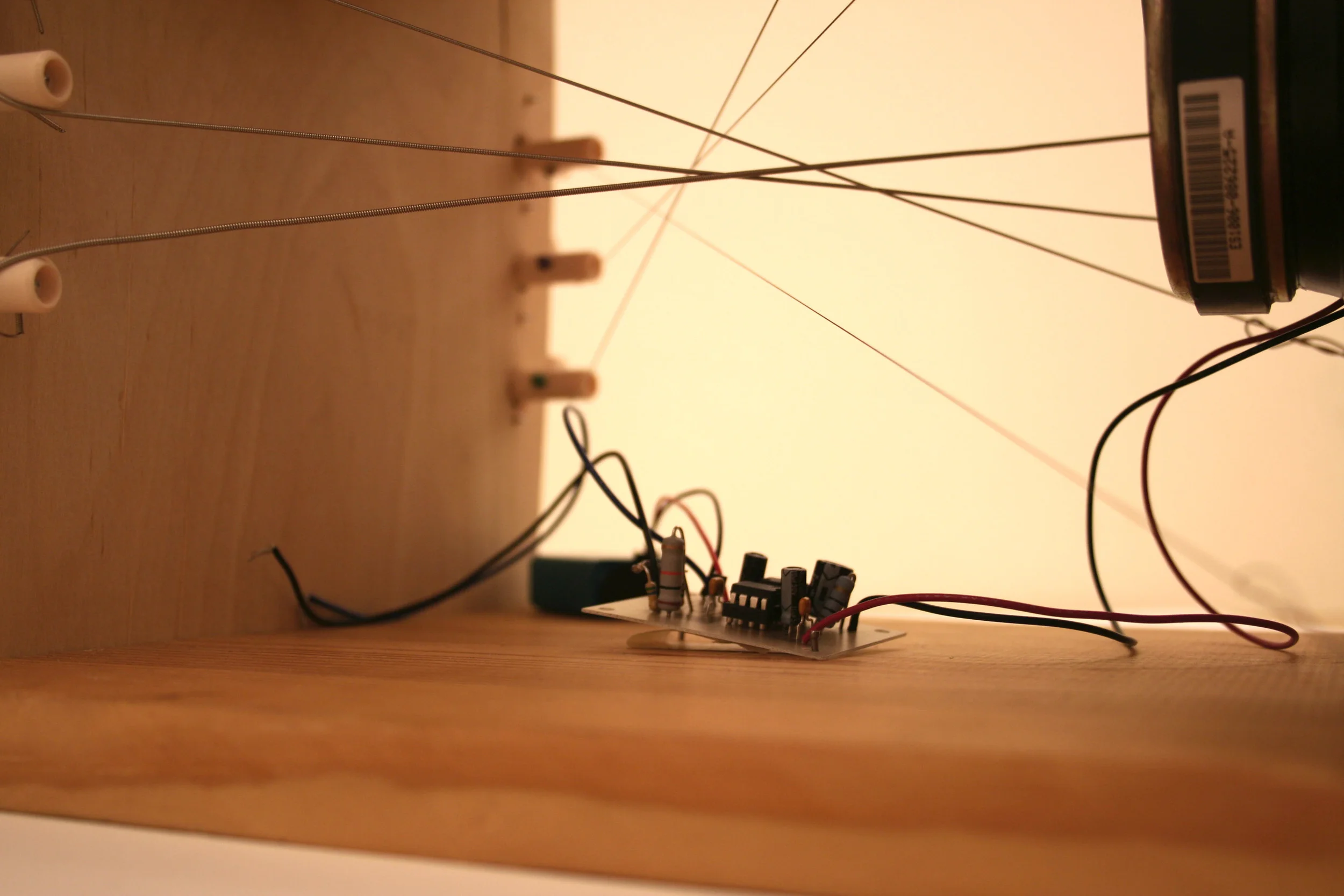
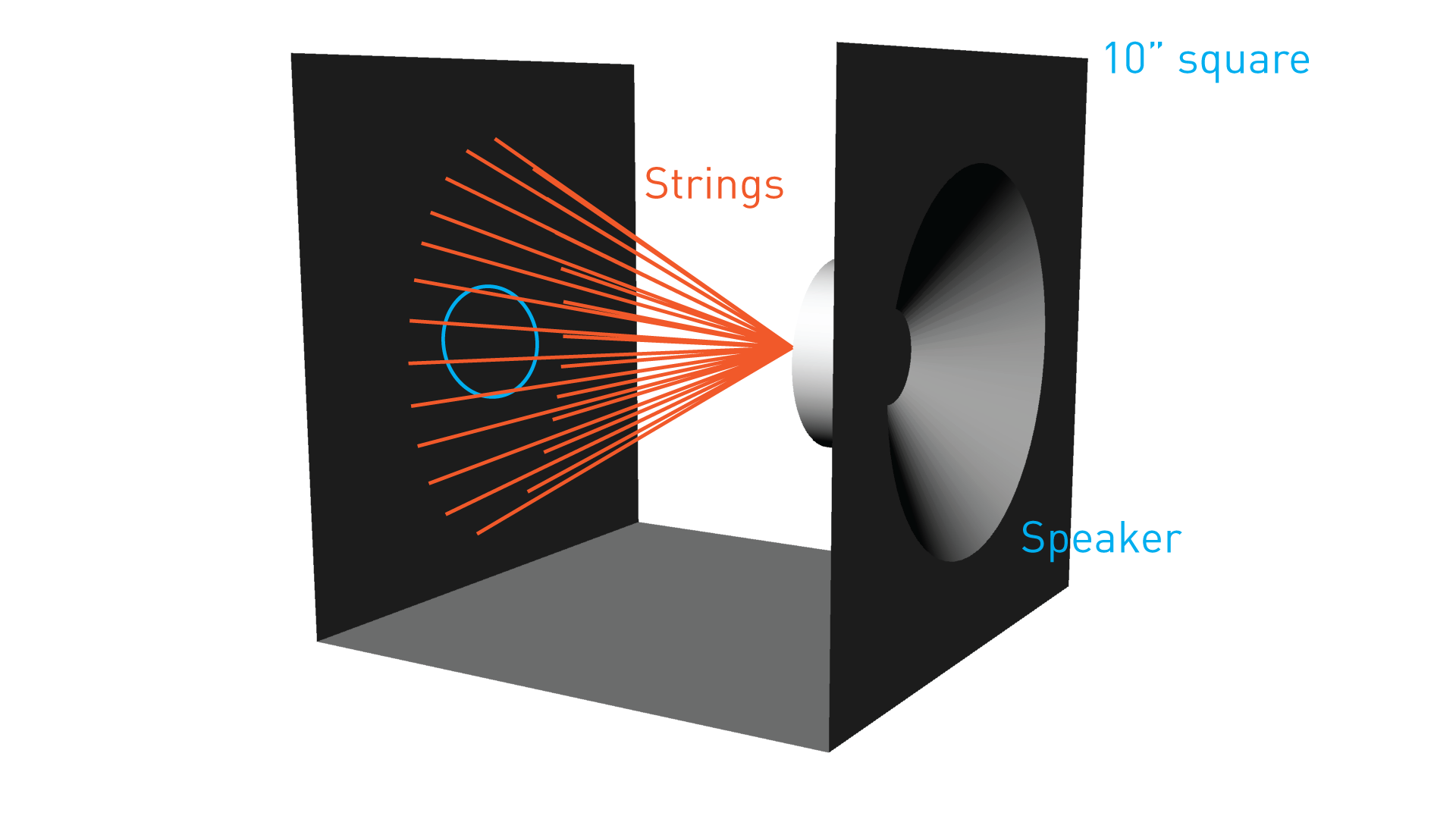
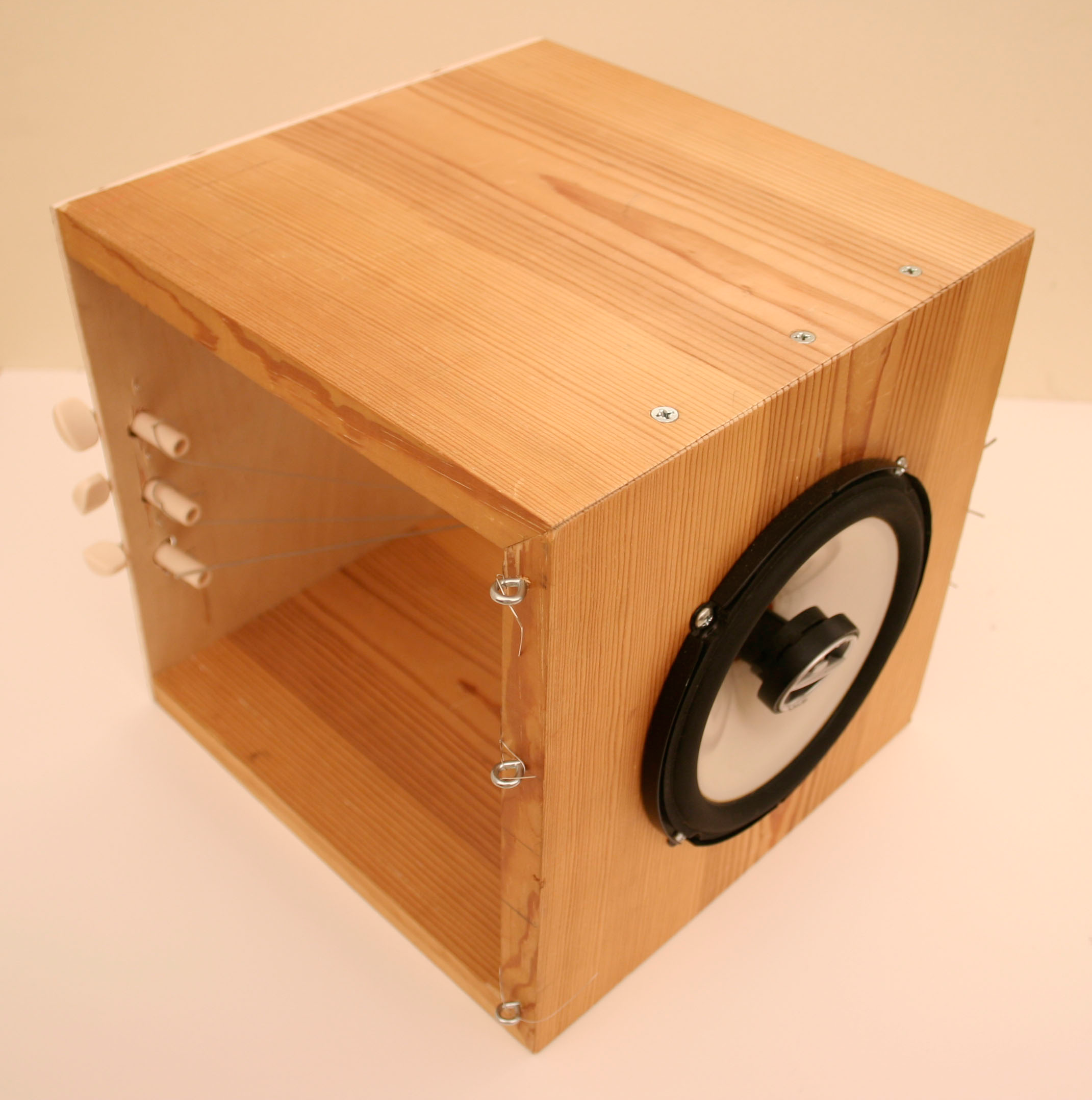
The Squeakerbox is my first ever attempt to build a musical instrument. It was a thrilling investigation and lead-in project during my Fall 2011 semester the University of Colorado and has since become one of my favorite projects. It was inspired by Guqins and the Tafelberg. Both are types of a rare stringed-percussive instruments.
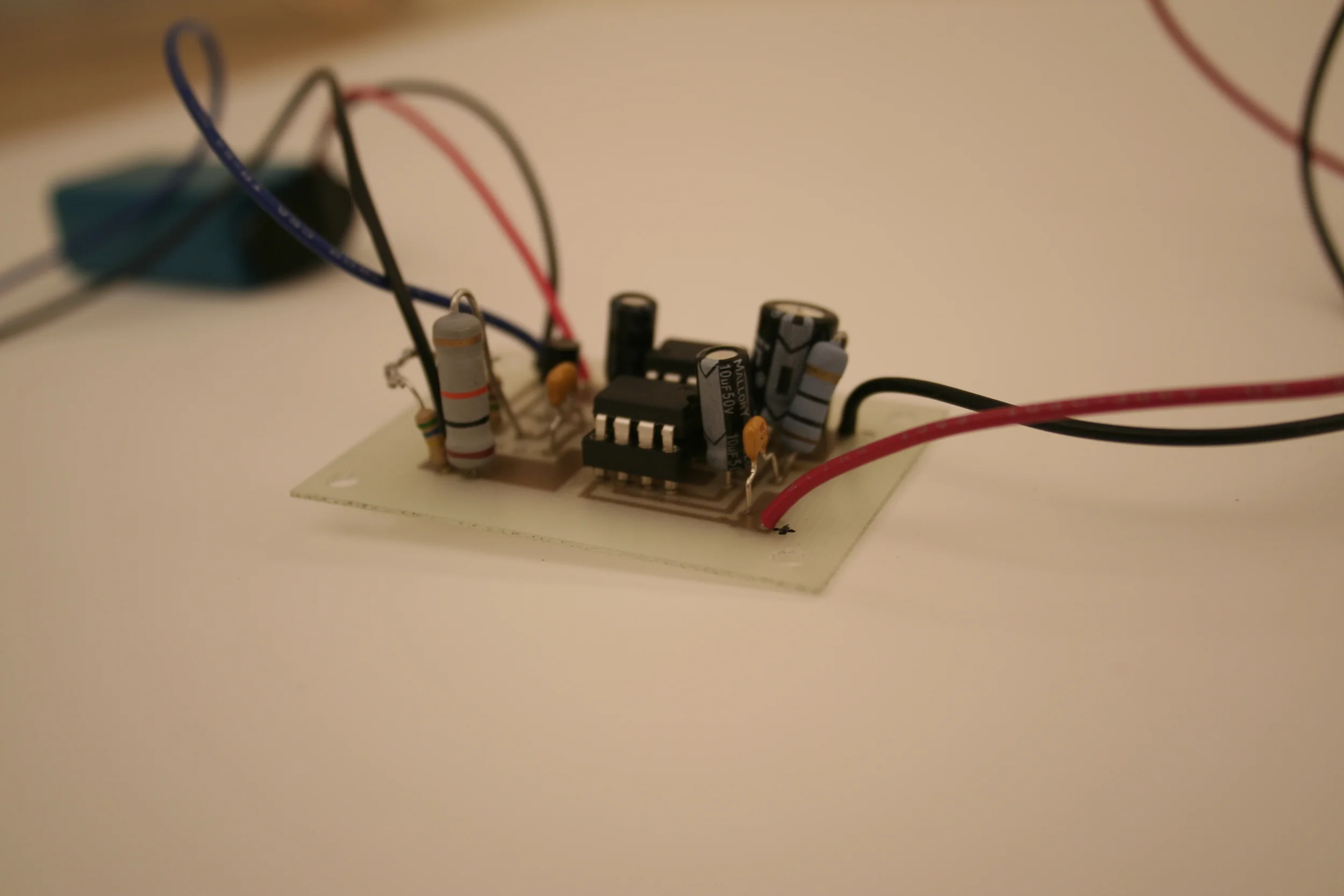
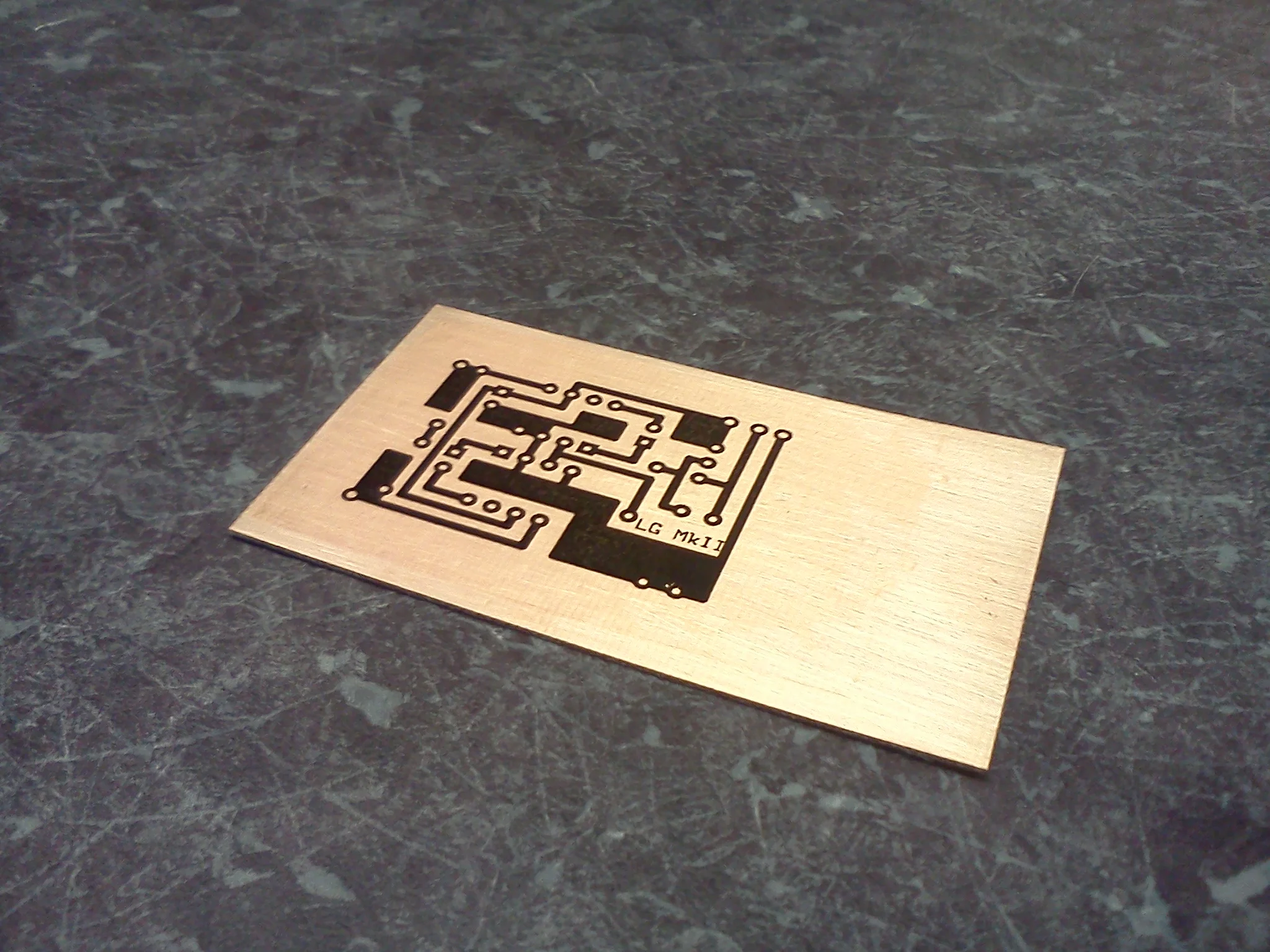
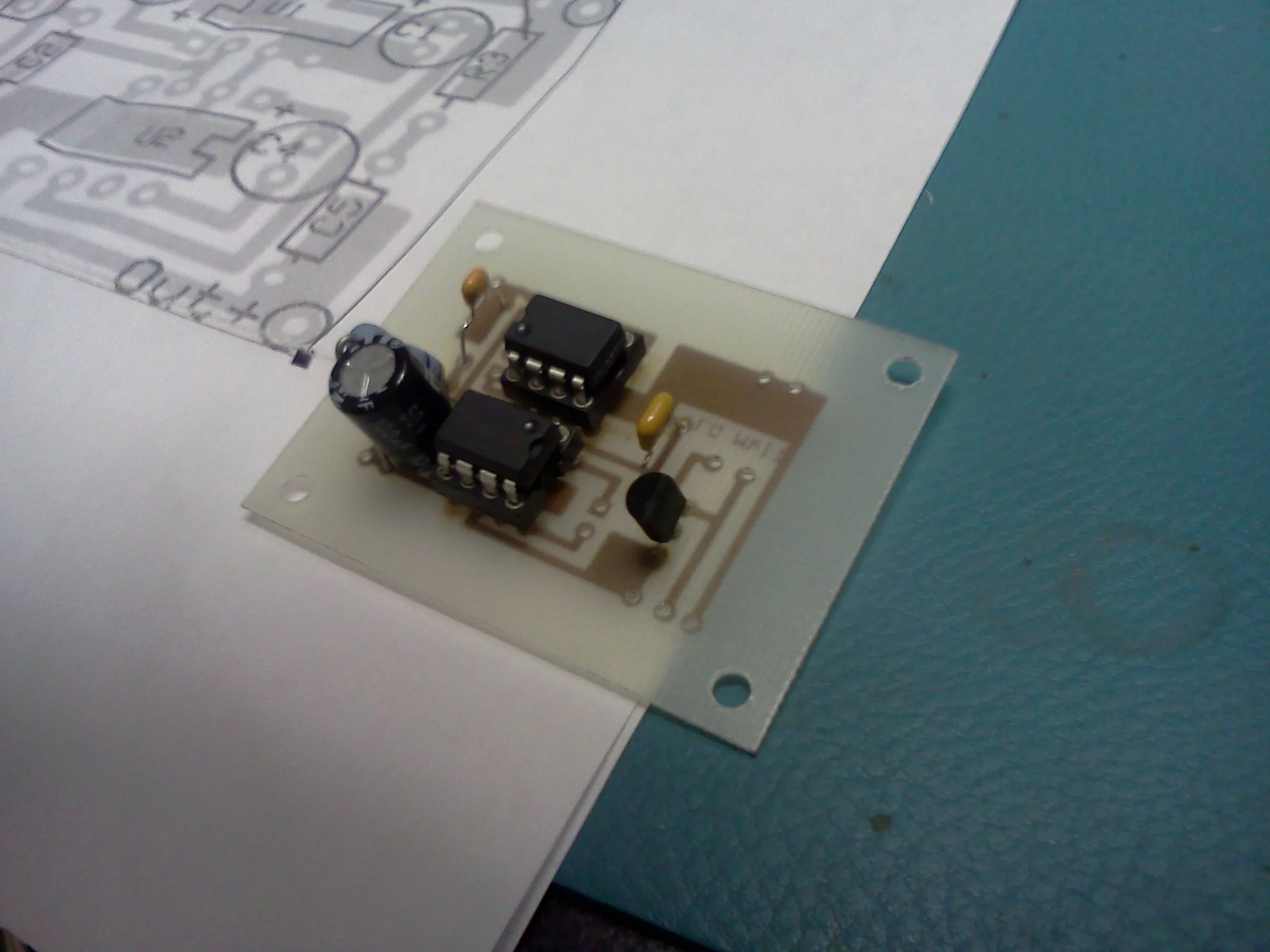
The schematics for the 'Little Gem mkii' micro-amplifier came from runoffgroove.com. I did all the soldering myself on campus in the Engineering Center, with beads of sweat dripping from my furrowed brow. I printed the circuit board using a laminated acid bath subtractive process.
The Squeakerbox is so named because it uses an inexpensive piezo buzzer 'pickup' on the bridge to pick up the vibrations of the strings. If the piezo is touched or rubbed it squeaks quite loudly.
Spring 2013
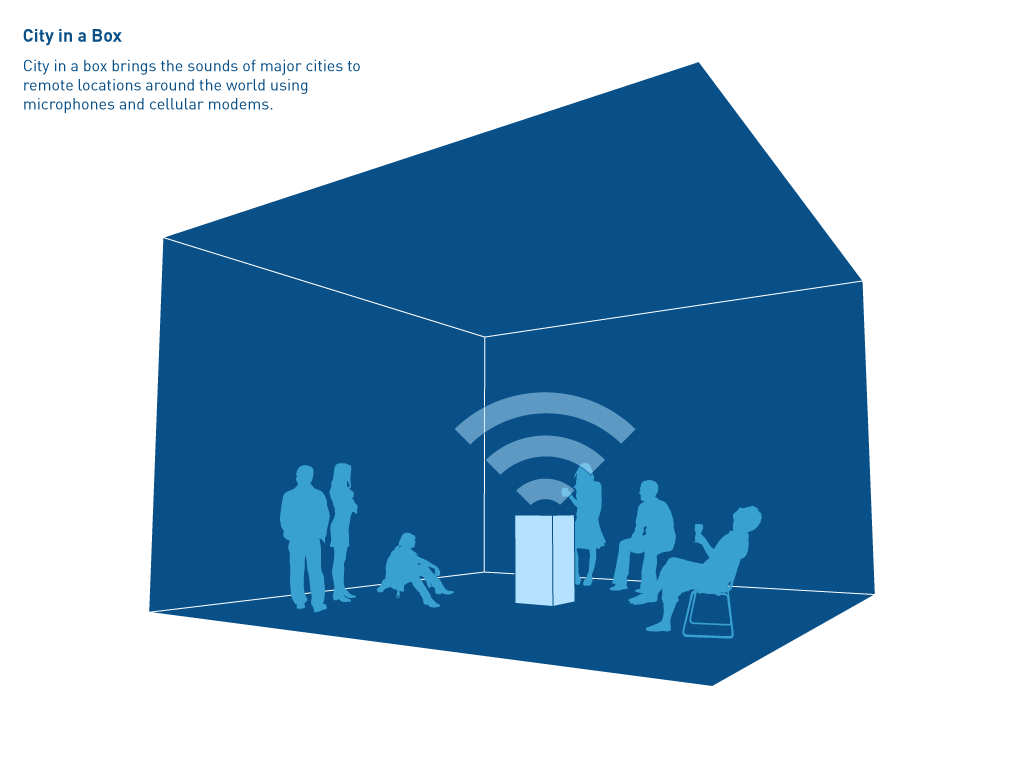
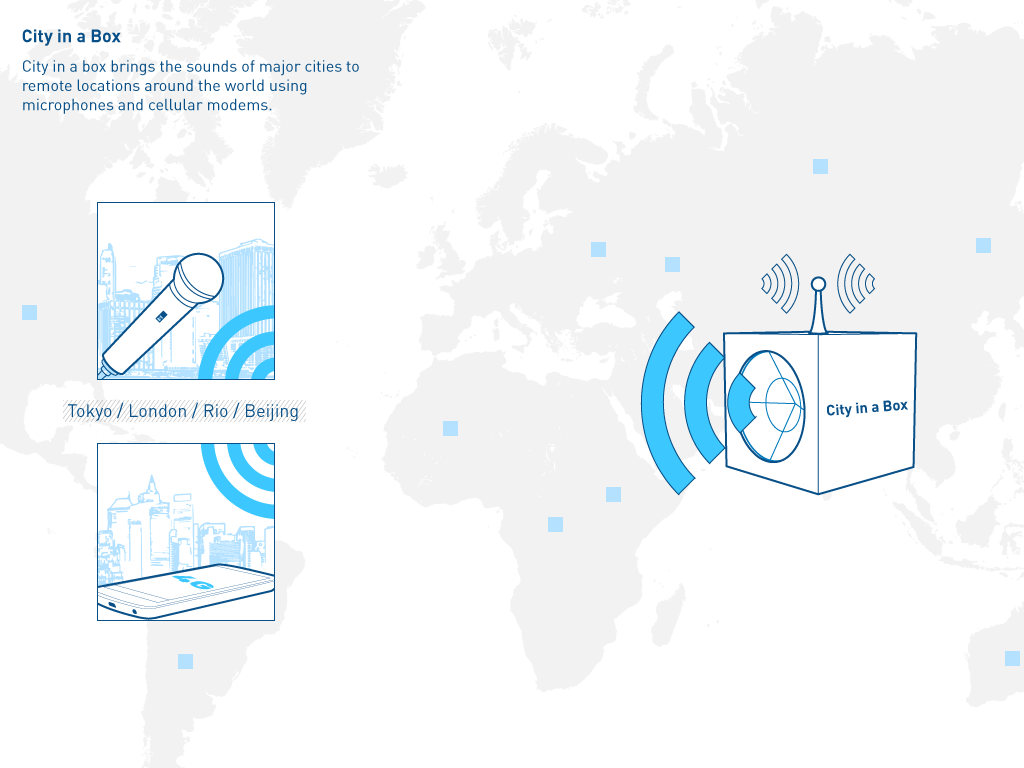
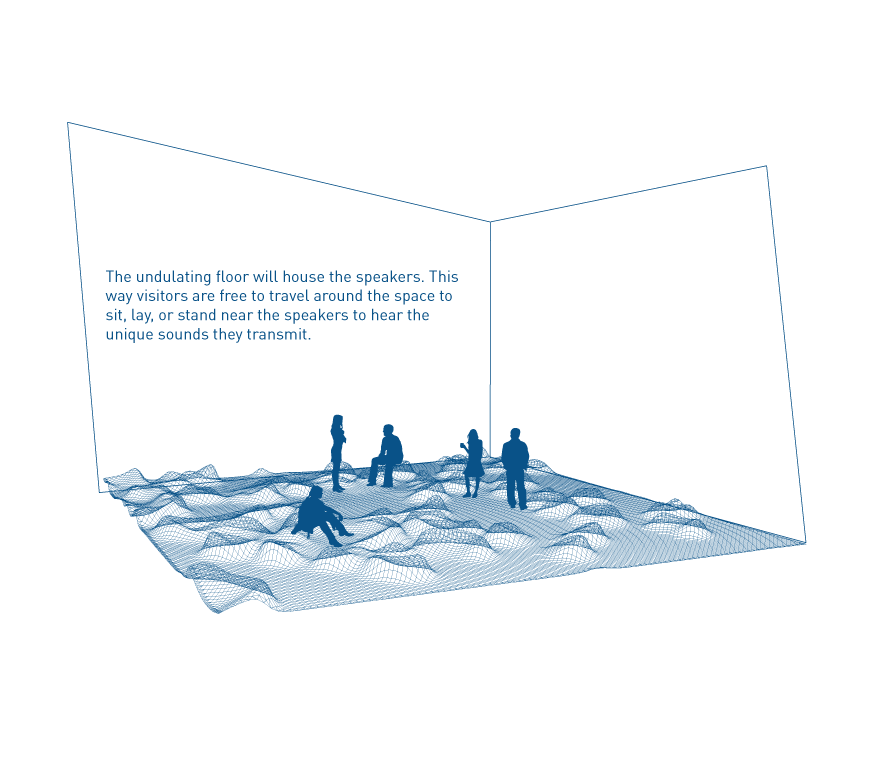
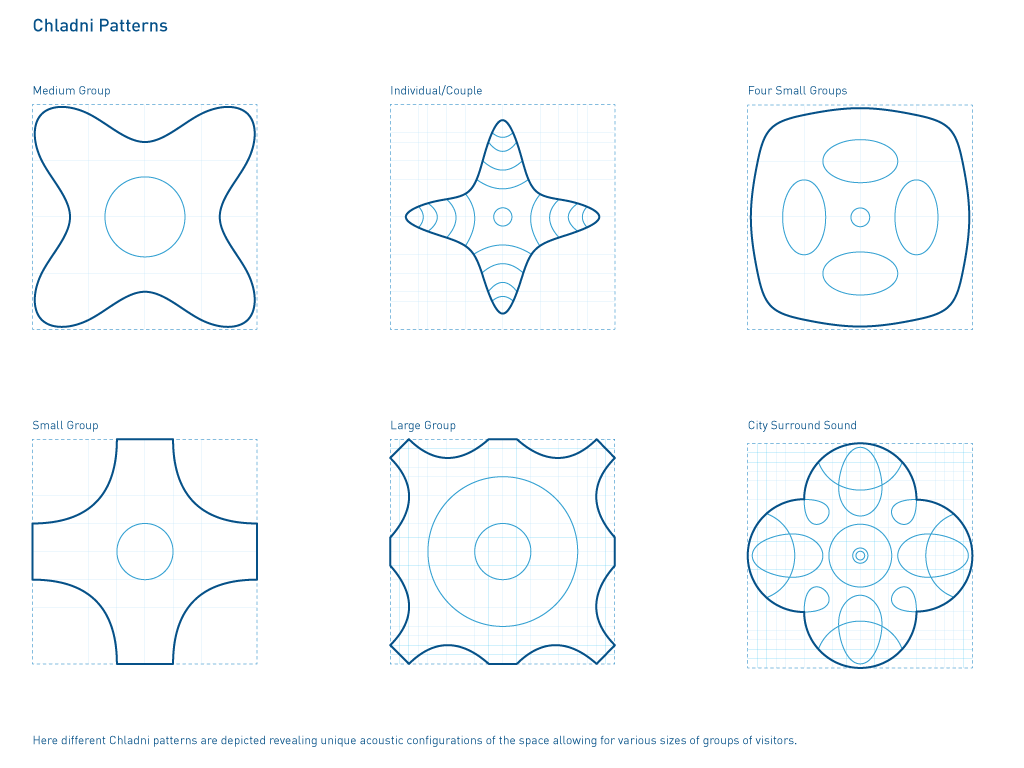
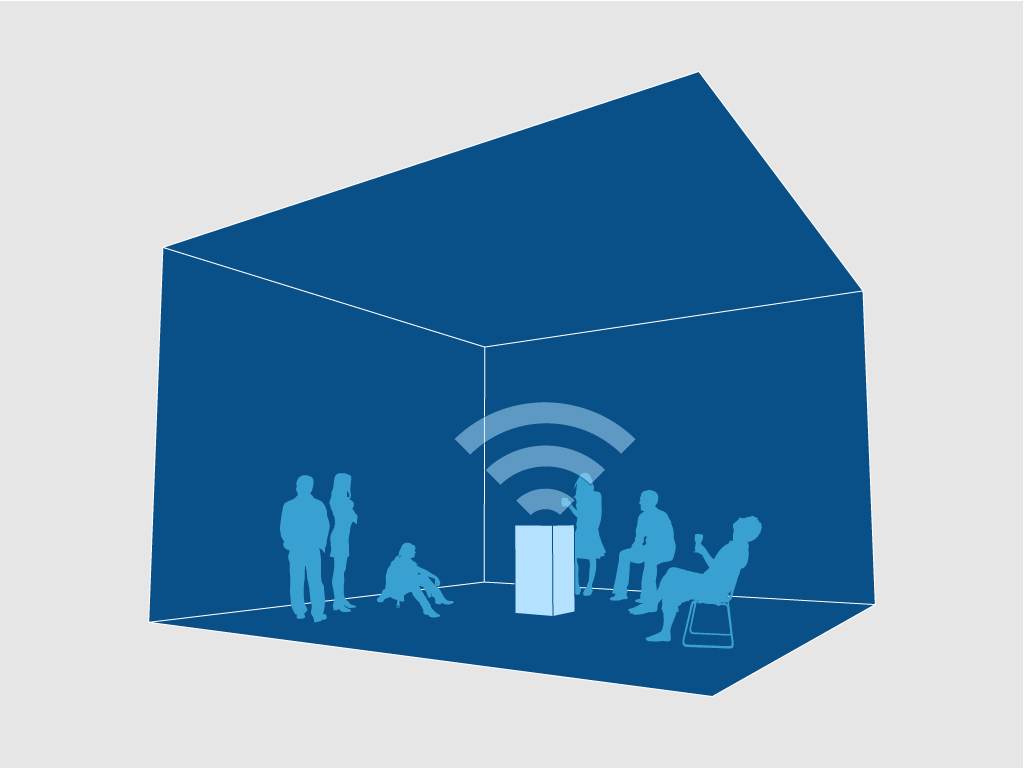
City in a Box was a lead in project for my final semester. It was a concept for a temporary installation that would travel around the world and share sounds from major world cities with visitors in remote locations. I really like the graphic work I did on this project and am proud to display it. Some of the work I did on this project built on top of my work for Squeakerbox.
Spring 2013
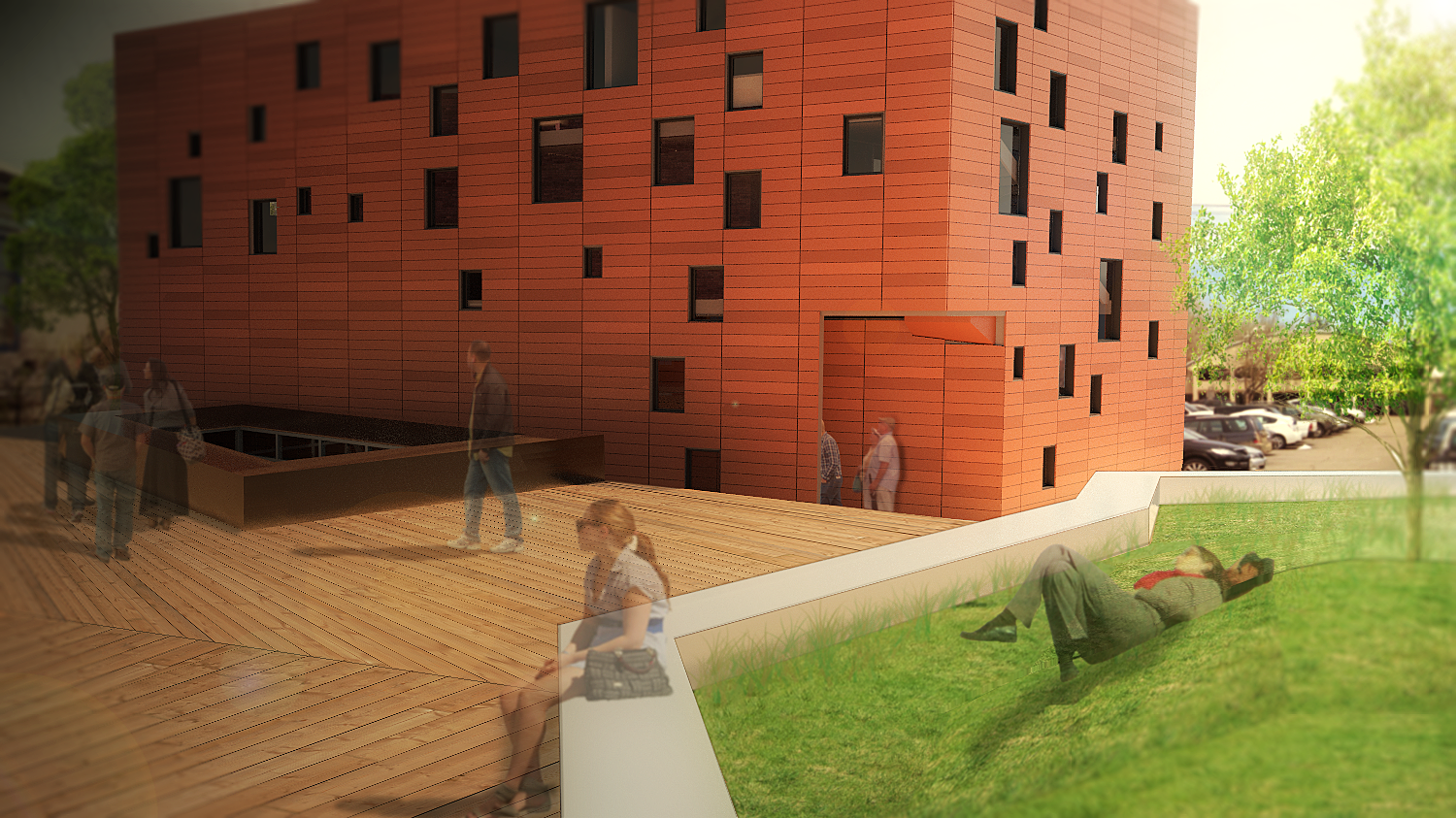
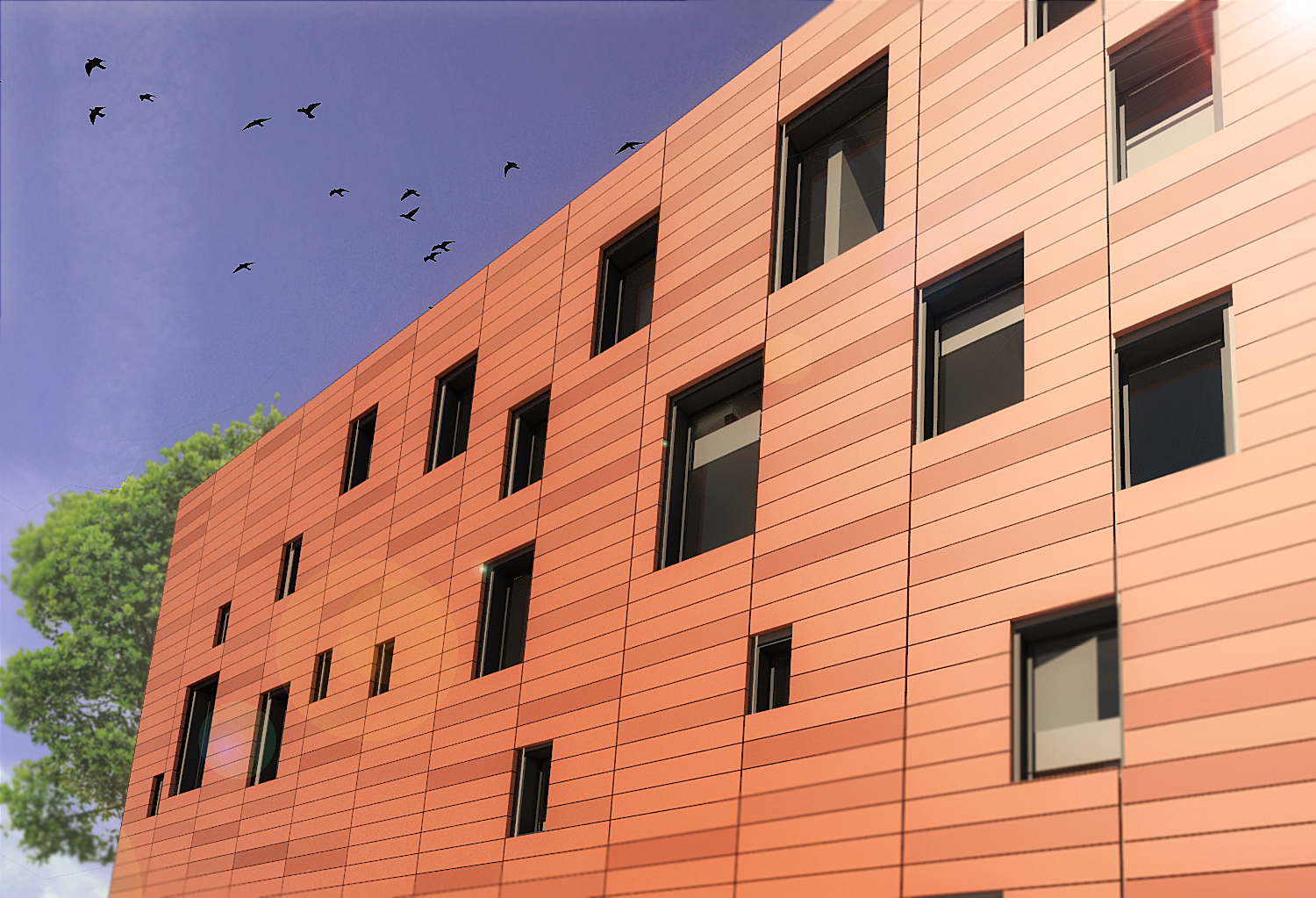
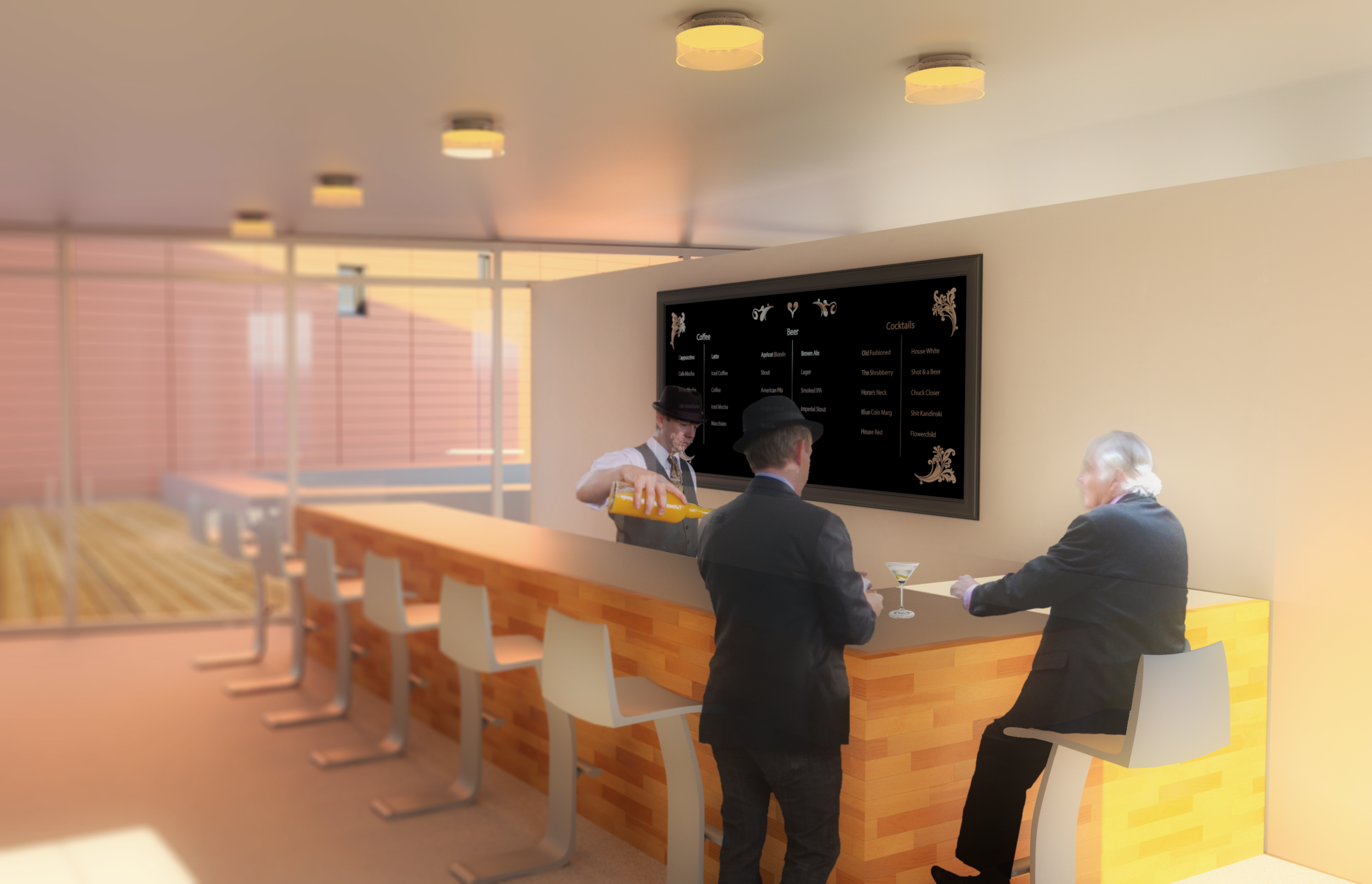
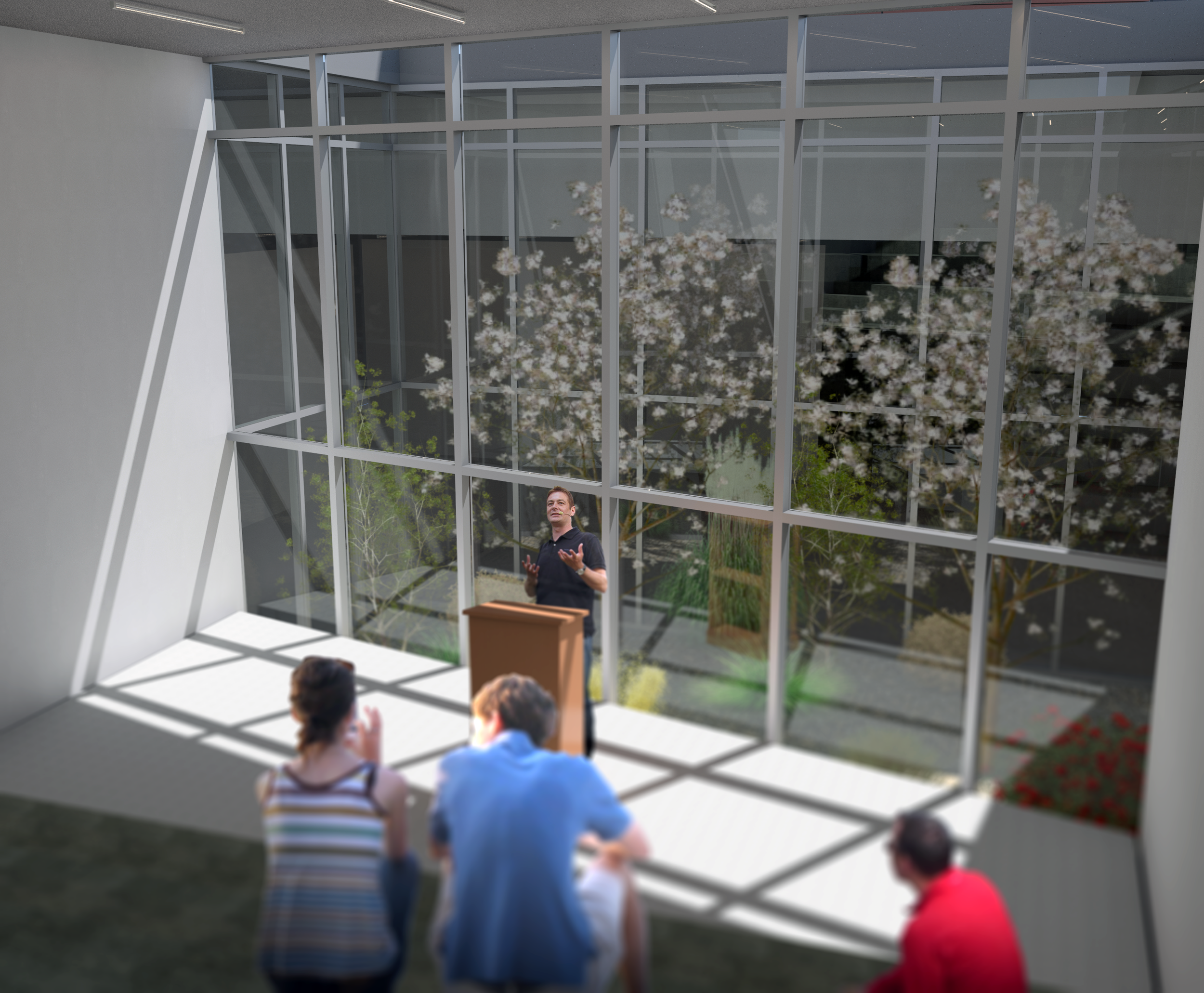
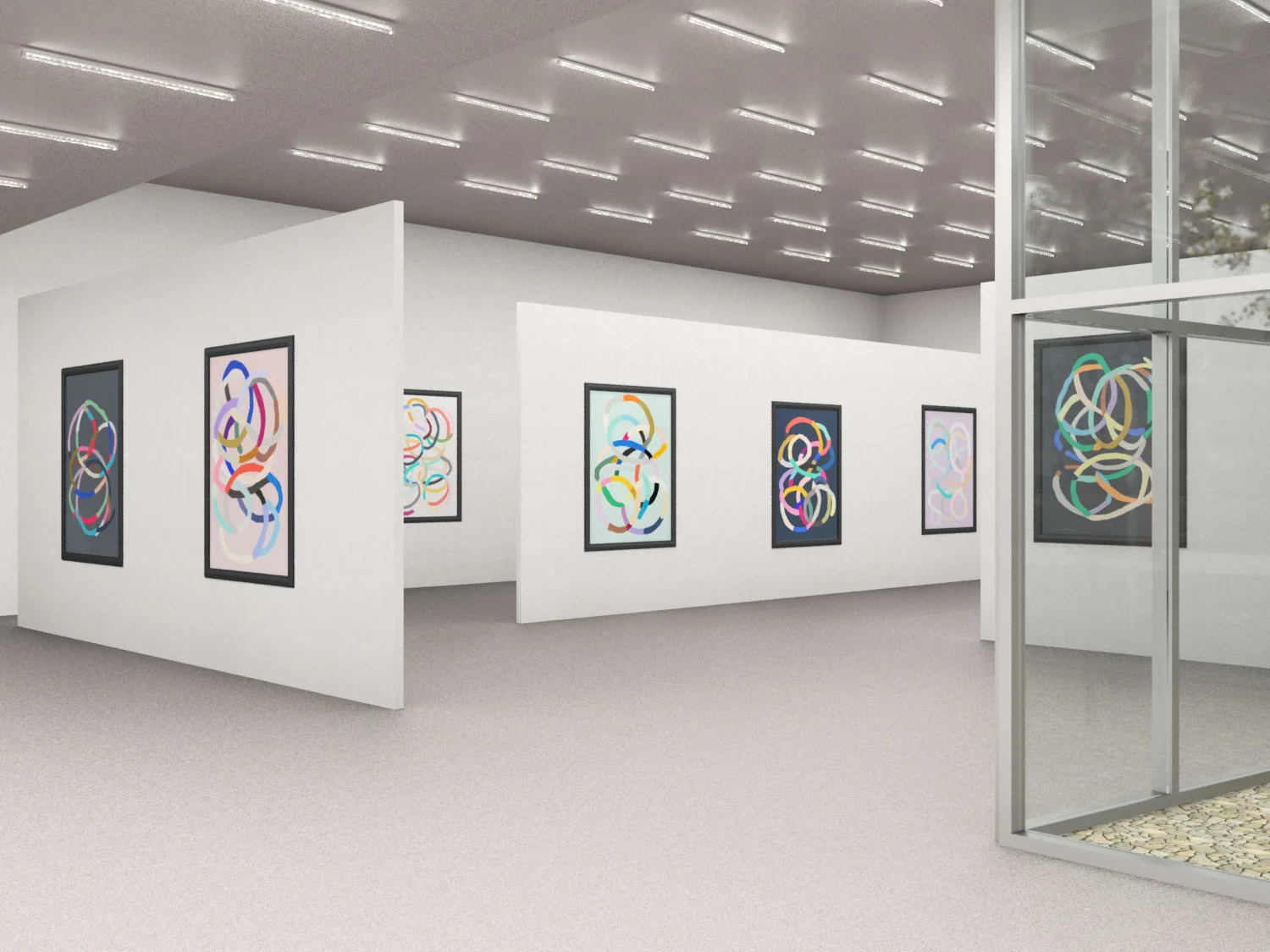
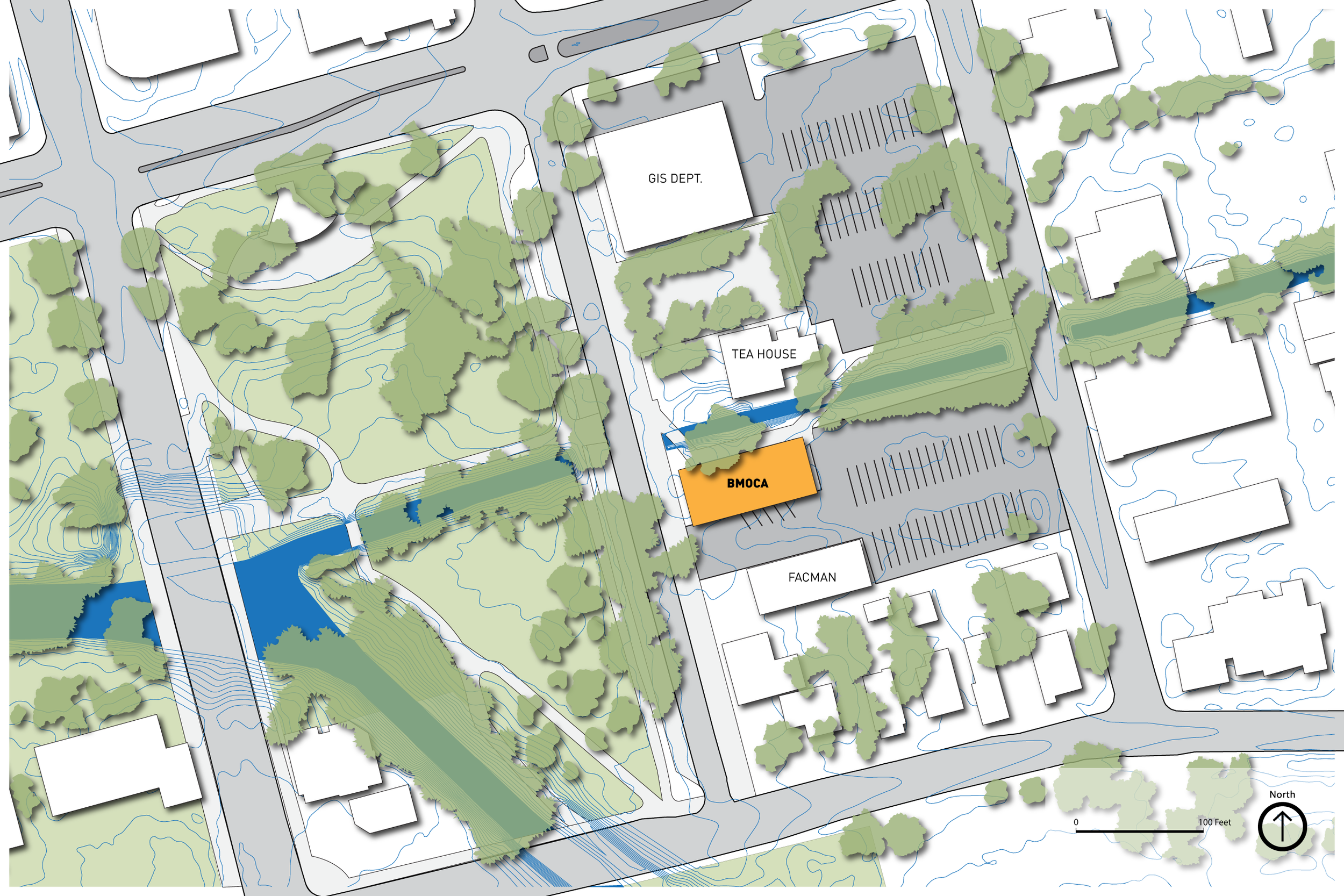
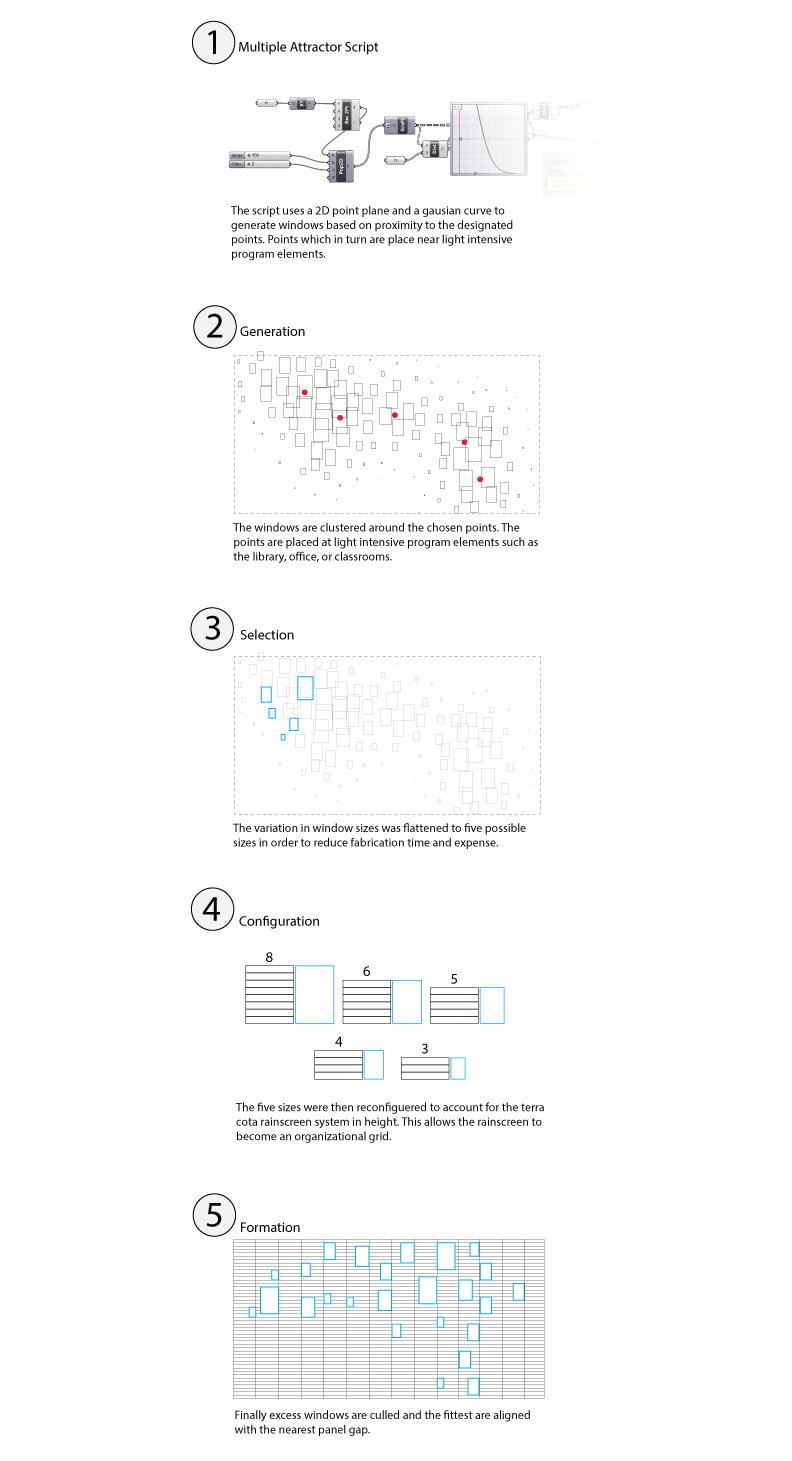
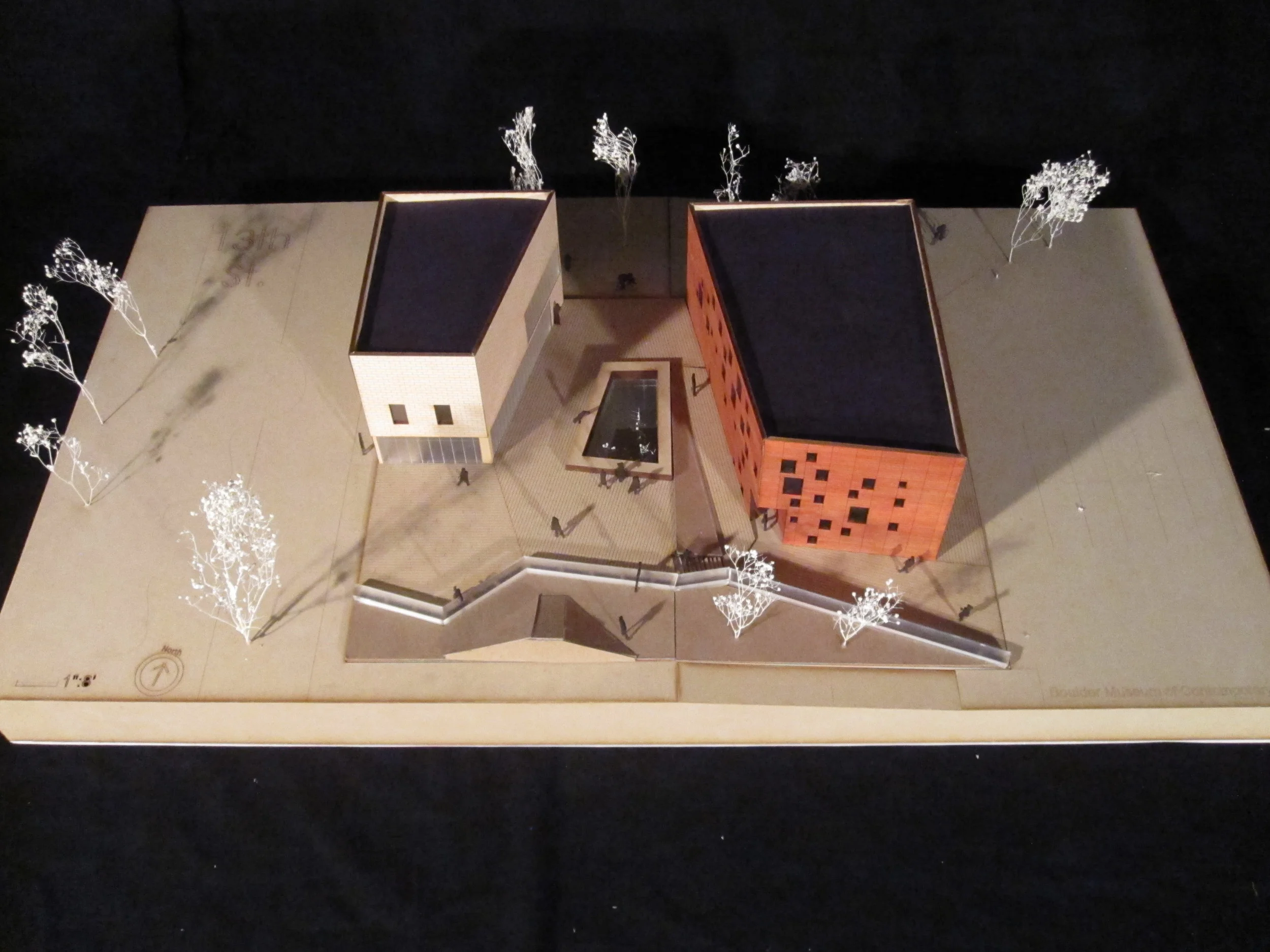
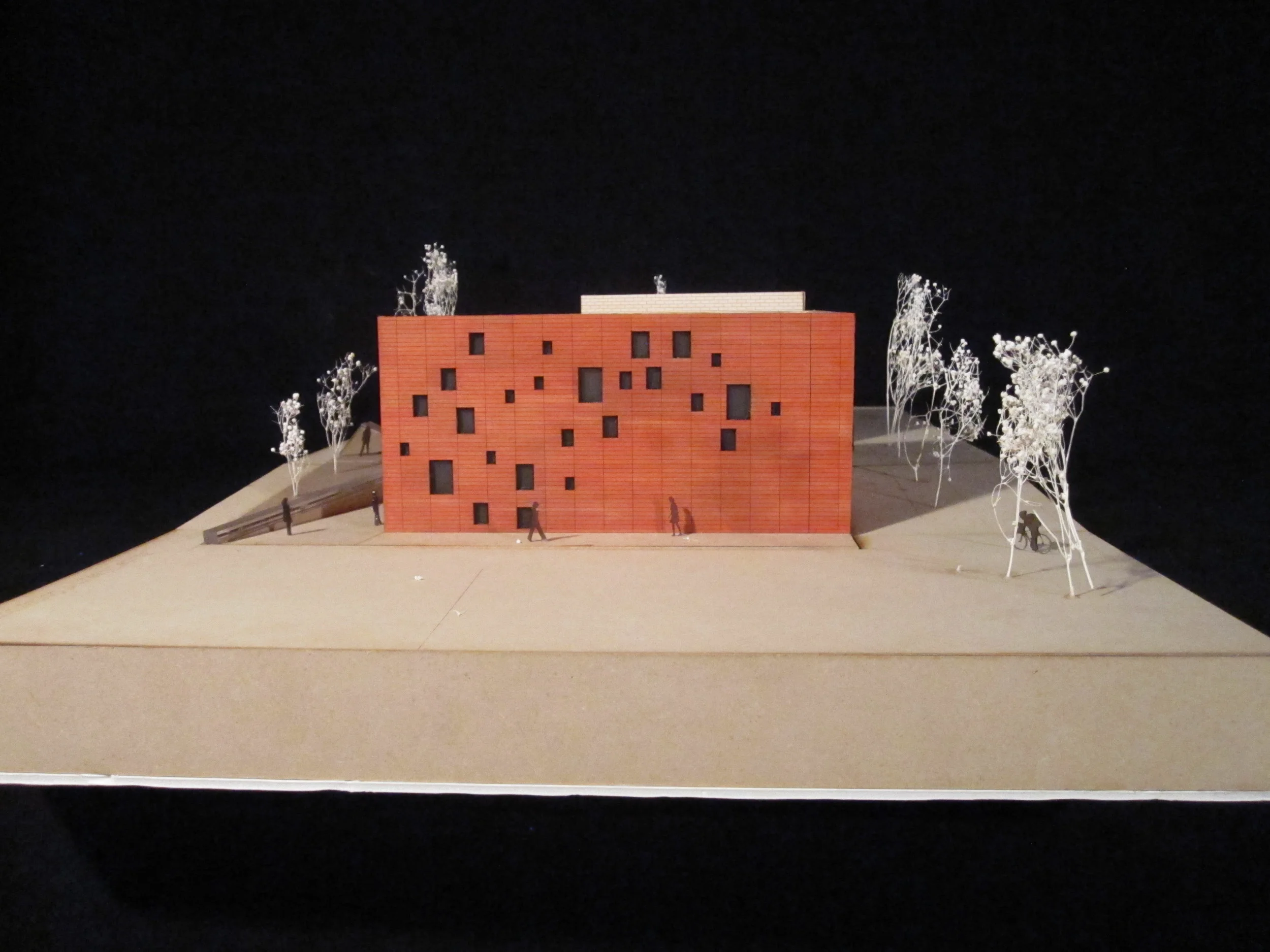
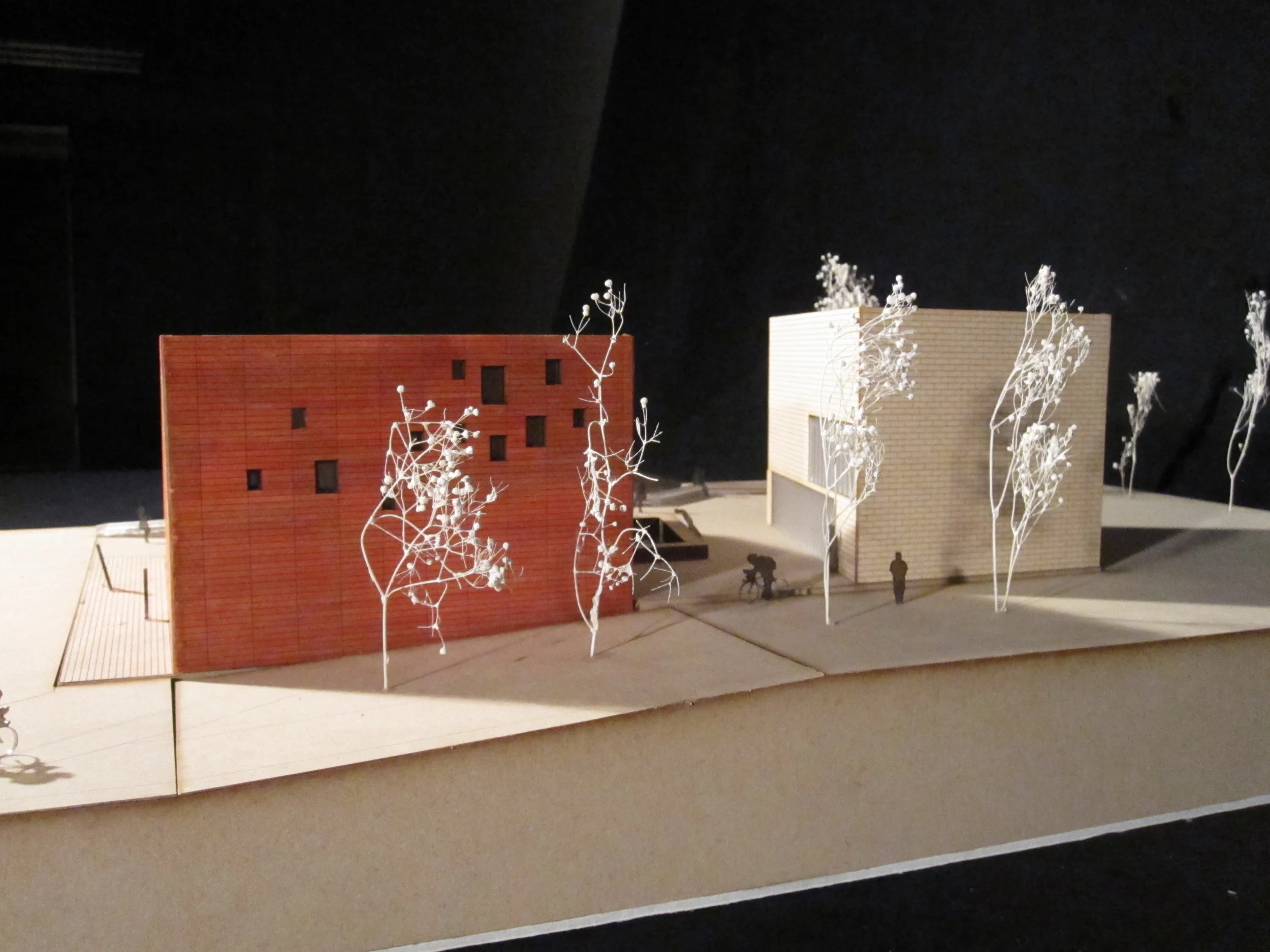
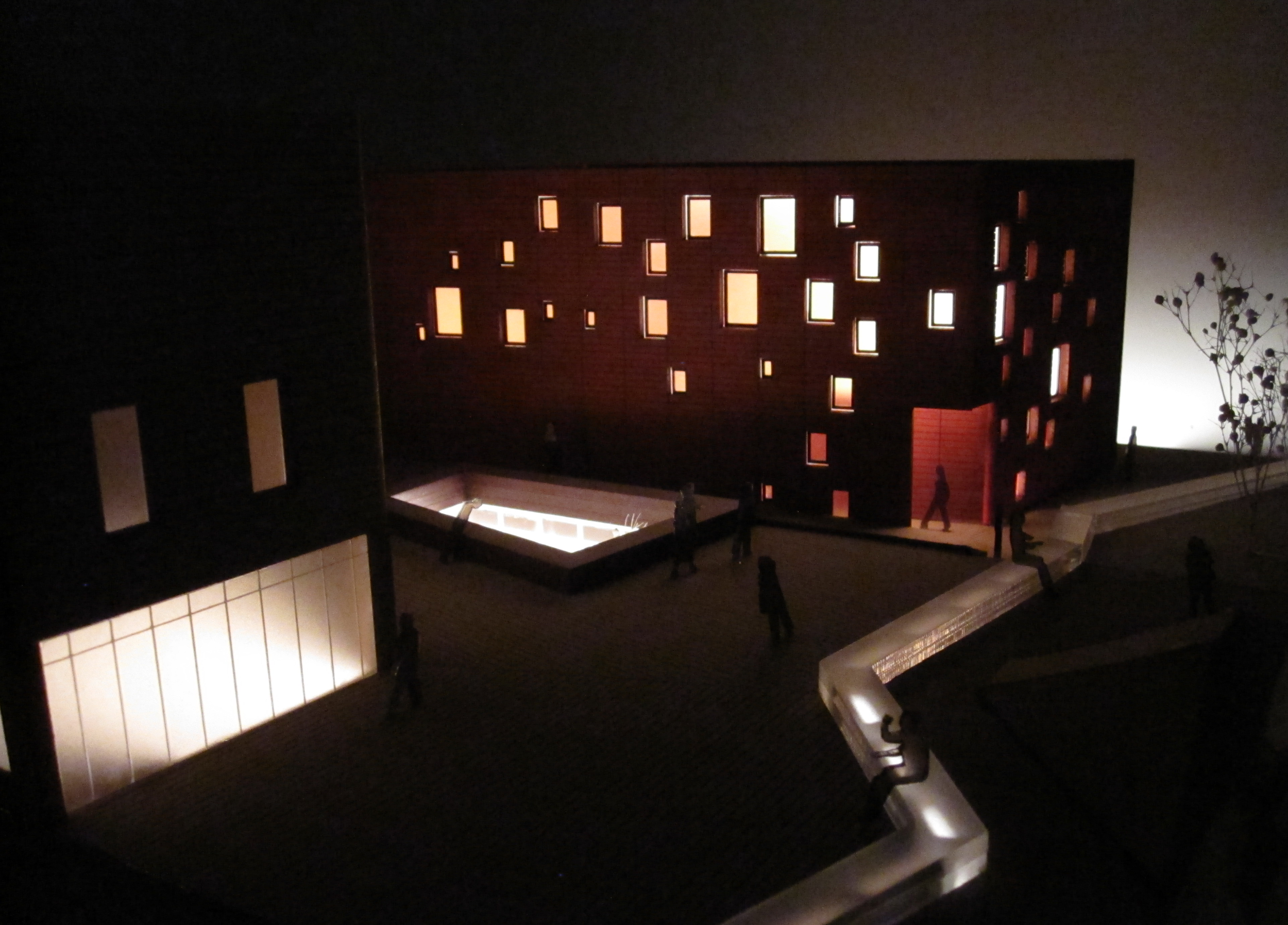
This was my final mainline studio project at CU. It was a major renovation for the Boulder Museum of Contemporary Art (BMoCA). The objective was to add more gallery space, community space, and educational elements.
This was a challenging project in its constraints and programmatic complexities however I feel that my project partner and I were successful in what we achieved together.
Fall 2011
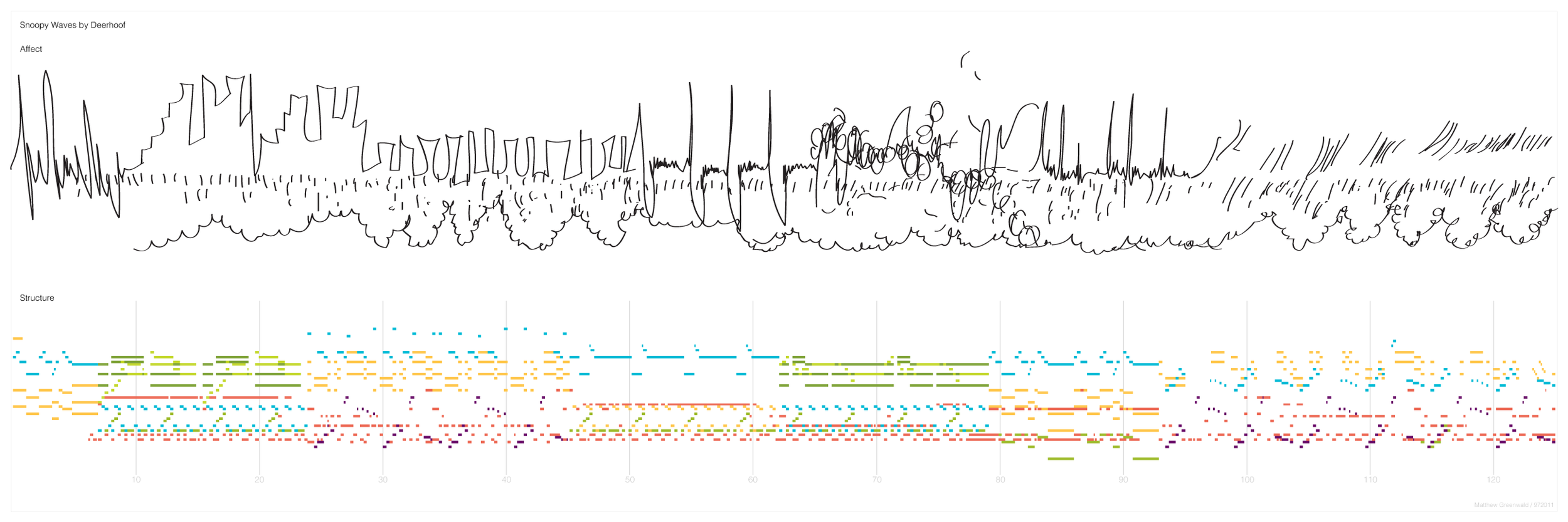
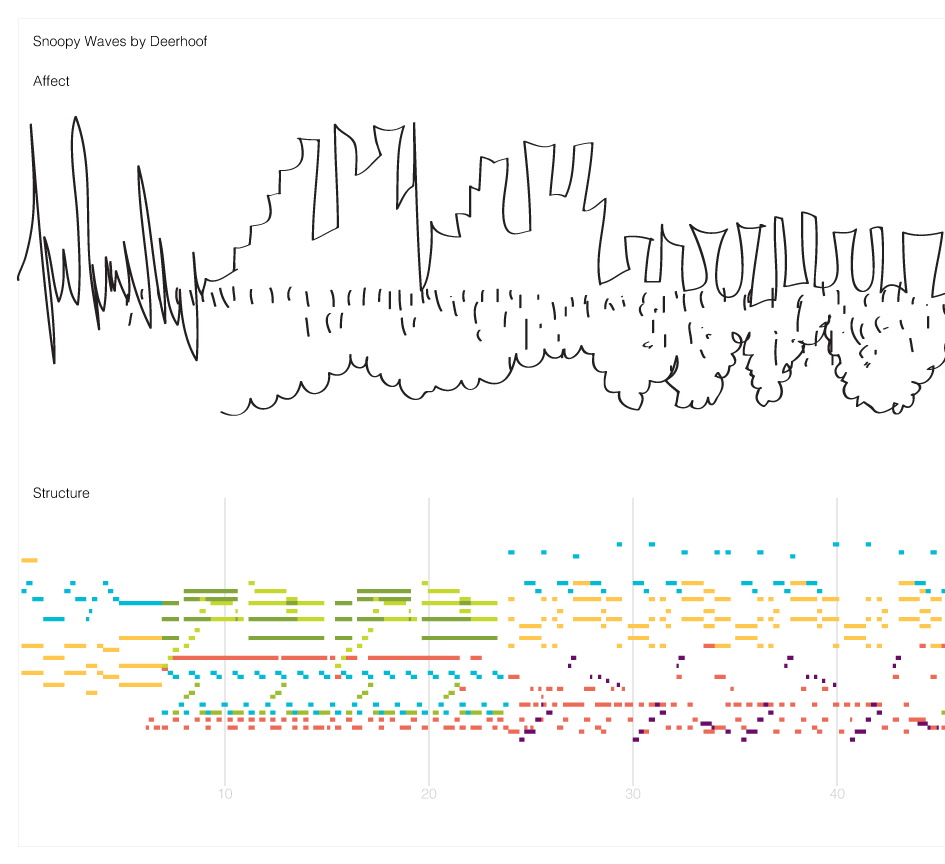
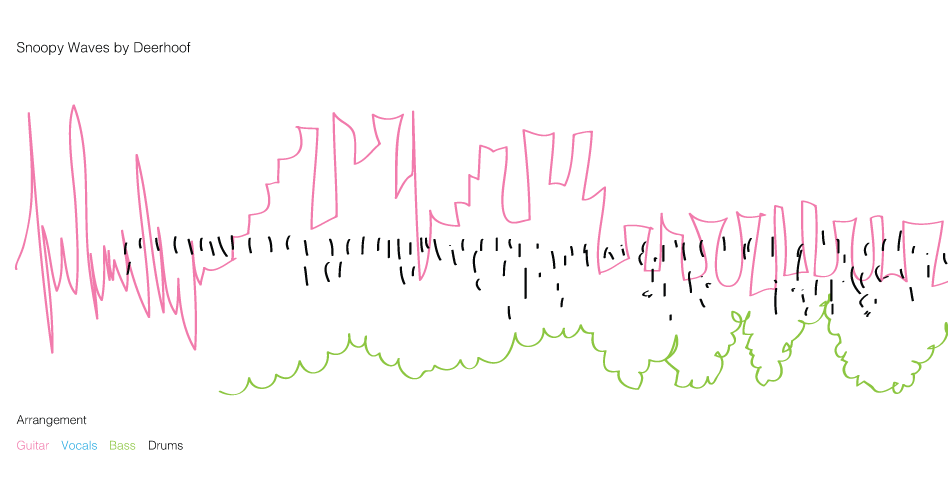
Snoopy Waves by Deerhoof
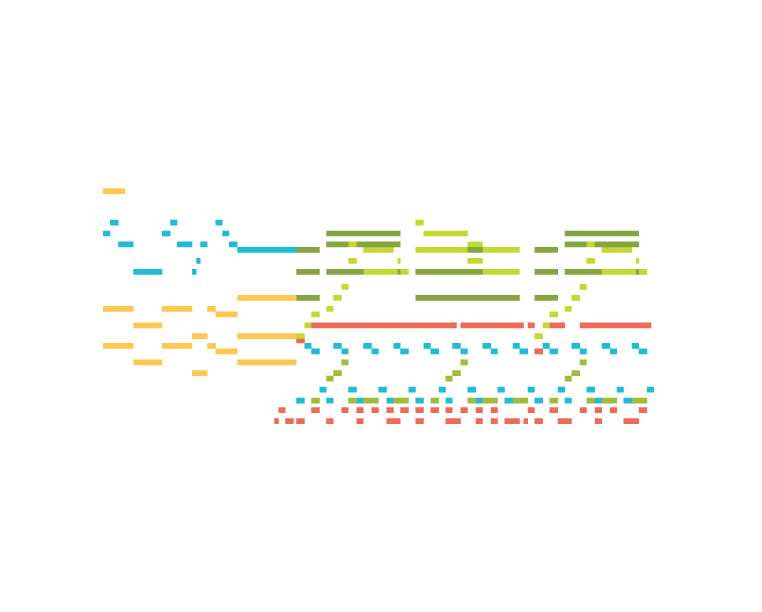
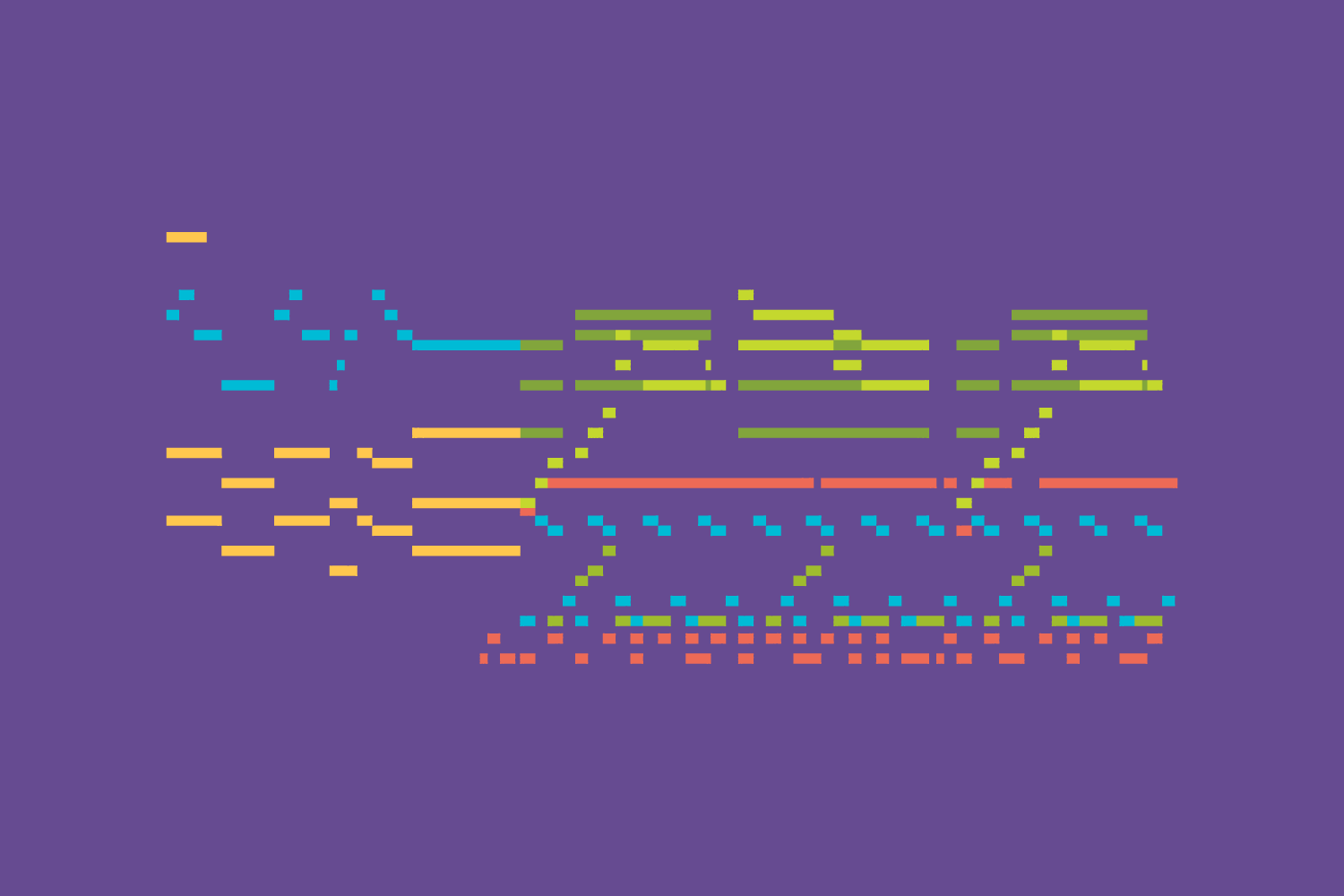
This was a really fun lead-up project during my Fall 2011 semester. We were tasked with interpreting a song and then creating a diagram from it. I first created the hand illustrated version on top listening to a bunch of takes of Snoopy Waves. Later I ran a MIDI version through MAM and got the structured version beneath it. I was really surprised at how similar they were in regards to time changes and some general themes.
I used the Musical Animation Machine created by Stephen Malinowski to develop the diagrams on the bottom. http://www.musanim.com | http://www.stephenmalinowski.com
Deerhoof is a really cool band, you should check them out! http://deerhoof.net
Spring 2011
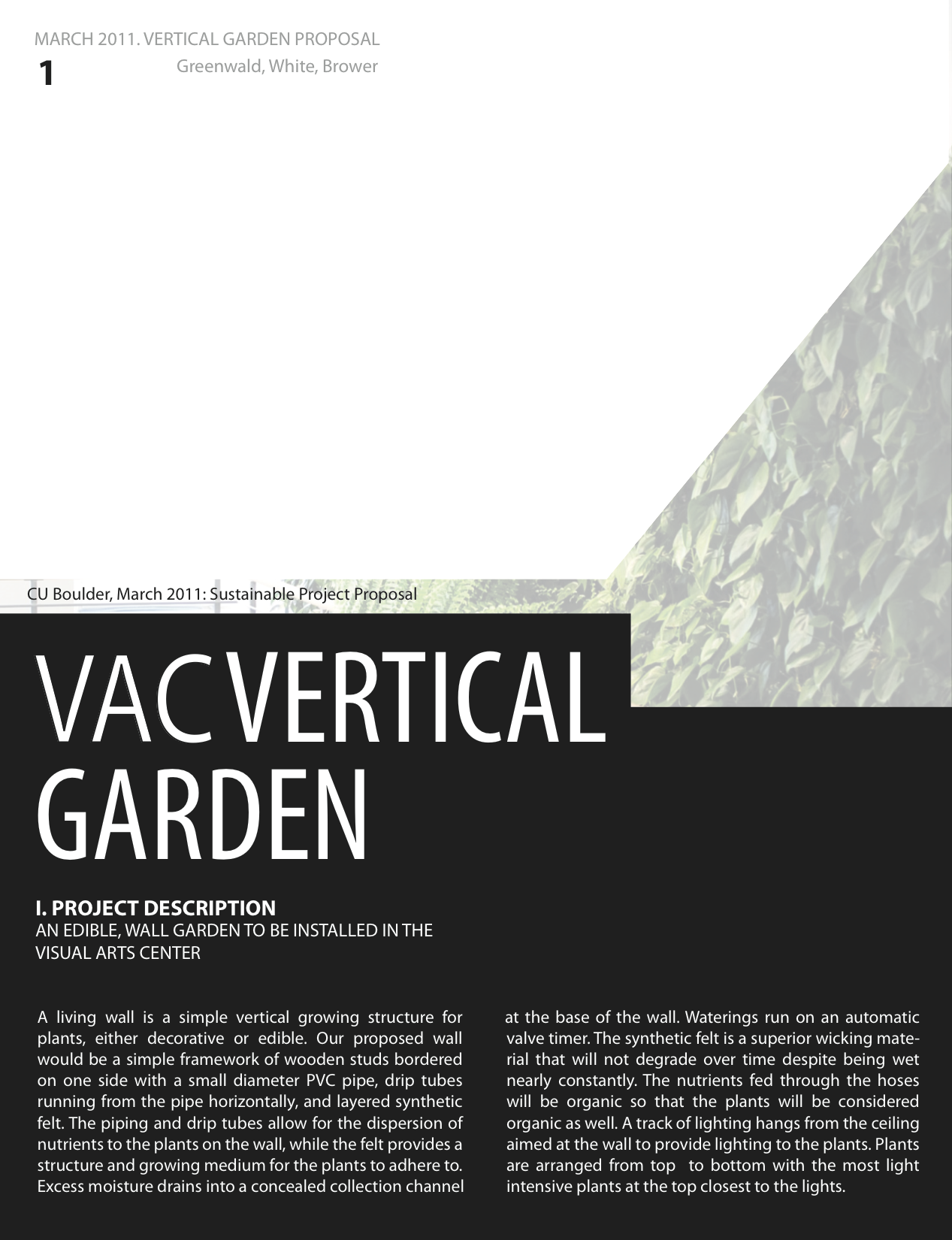
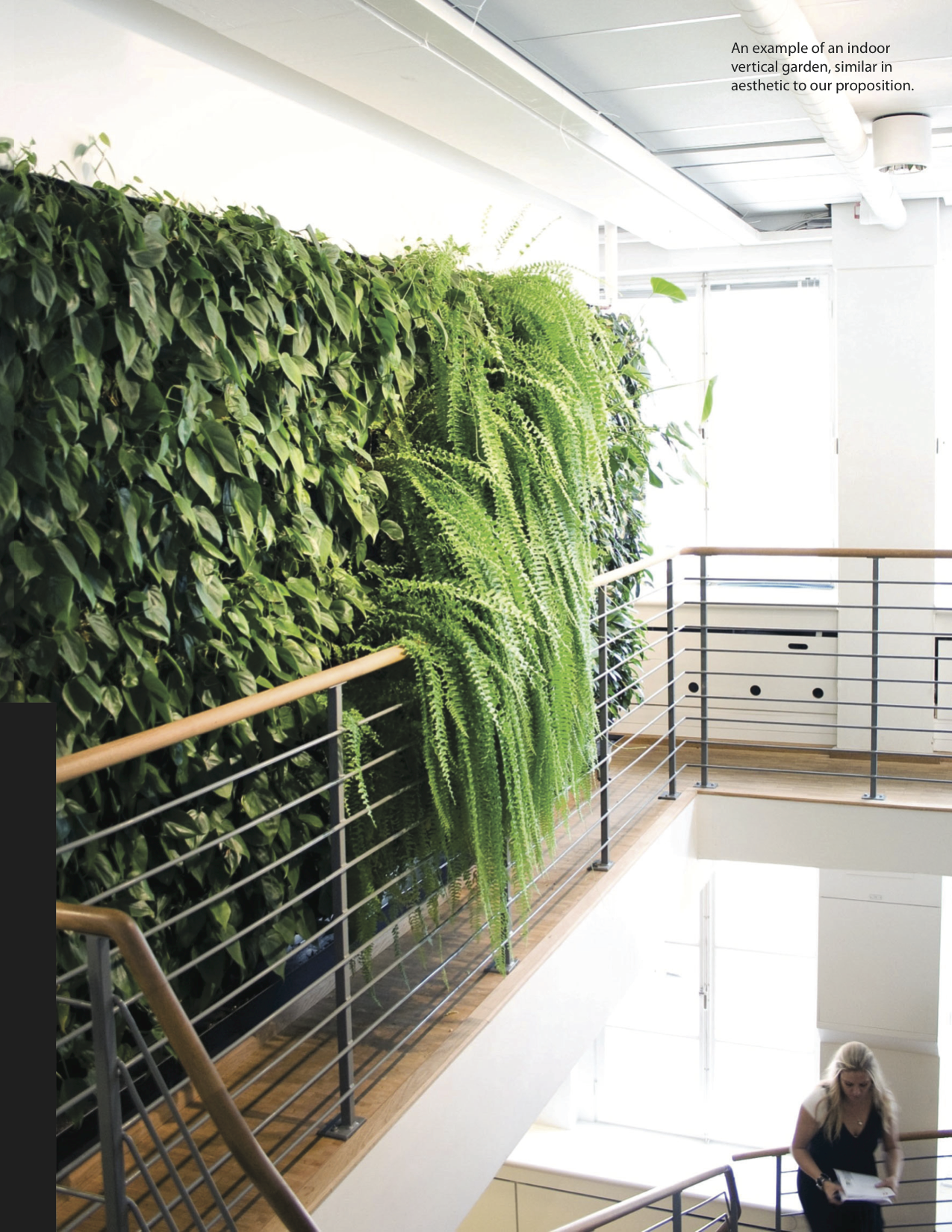
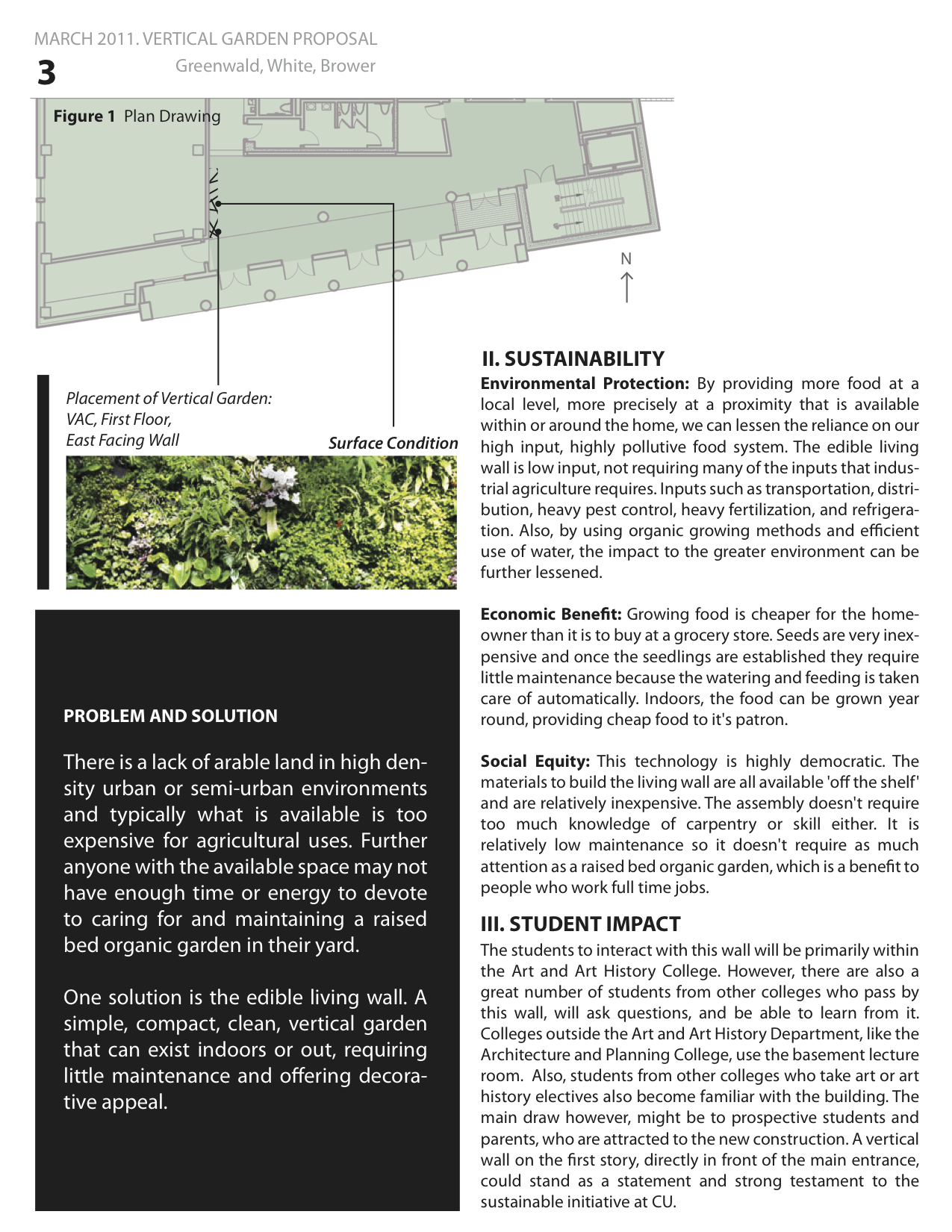
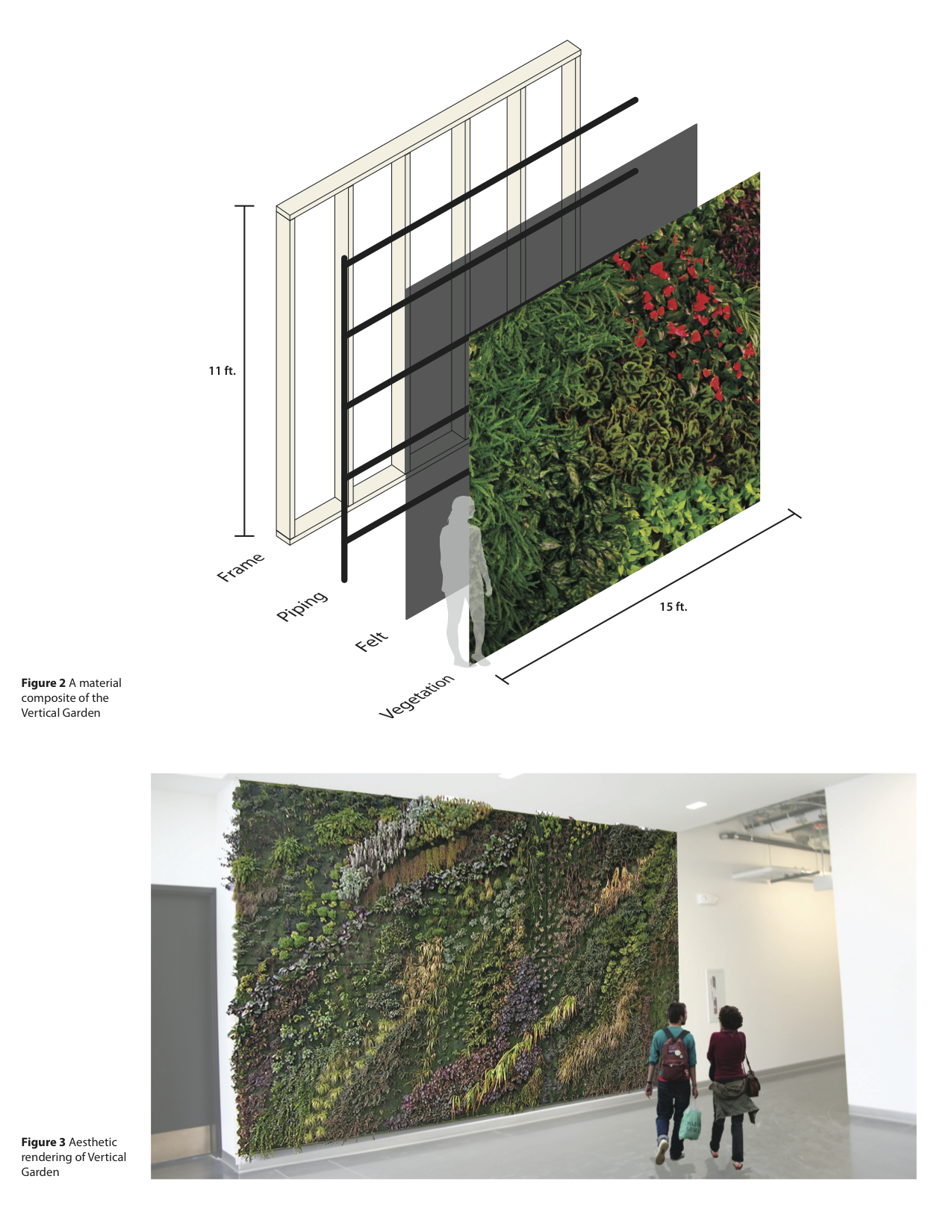
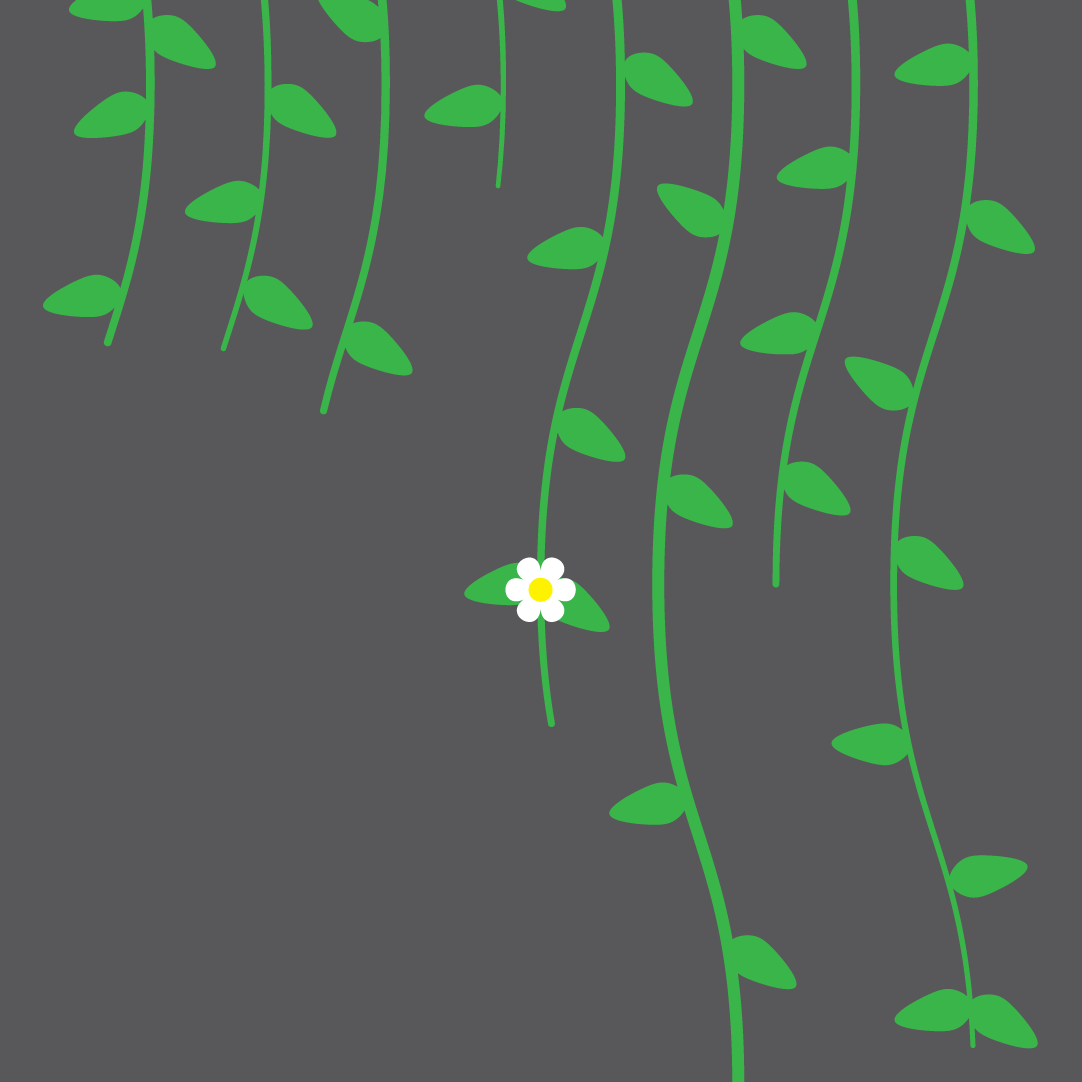
Inspired by the work of Patrick Blanc. I lead this project, supported by Karina White and Alexandra Brower. These are pages from the booklet and proposal we submitted to the Environmental Center at the University of Colorado. Our proposal was accepted in March and we were awarded a grant for our budgeted amount. Sadly, in the end we were unable to locate a place on campus to build the living wall. This was due to strict controls on building facades as well as concerns with fire codes.